Getty Images
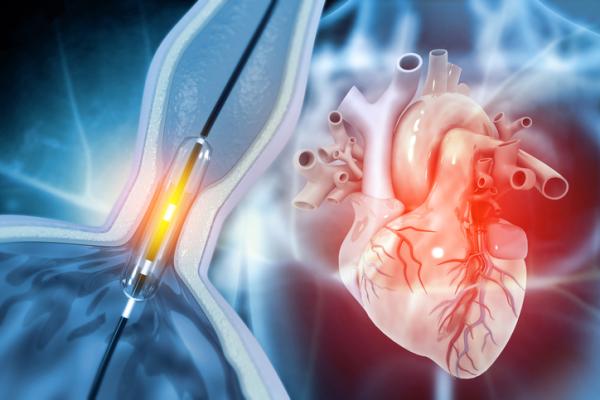
April 16, 2024 — Each year more than 500,000 Americans undergo percutaneous coronary intervention, or PCI, a minimally invasive procedure to unclog the arteries that feed the heart.
While PCI, which includes both angioplasty and stenting, is one of the most common operations in the world, it does carry a small (about 1-2%) but significant risk of death. Around 10% of all deaths following percutaneous coronary intervention are potentially preventable, a study led by Michigan Medicine finds.
The results are published in PLOS ONE.
“Deaths in the hospital after PCI are rare and mostly occur in patients who arrive after a heart attack, especially if their cases involve shock,” said senior author Hitinder Gurm, M.B.B.S., chief medical officer at University of Michigan Health and medical director of the Blue Cross Blue Shield of Michigan Cardiovascular Consortium, or BMC2.
“The vast majority of deaths after PCI are unpreventable and related to patients’ underlying conditions for which they are undergoing the procedure. This is a stark change from the 1990s when the majority of deaths were traceable to procedural complications.”
The research team analyzed deaths after PCI occurring at 39 Michigan hospitals participating in BMC2 between 2012 and 2014. These hospitals use procedural and outcome data to inform quality projects to improve care and patient outcomes.
Procedural complications contributed to 20% of the nearly 1,200 deaths reported during the study period. Just over one quarter of the patients who died were considered low risk, meaning a PCI-related mortality risk score estimated they had a 95% or greater chance of survival.
Of the deaths that were considered preventable, 10.1% in total, angioplasty and stenting was deemed to be of low value and potentially avoidable nearly one third of the time.
Researchers say the data suggests a need to focus on optimizing appropriateness of PCI to ensure providers are limiting rare, preventable deaths from this common procedure.
“Our data may help inform how cath labs conduct morbidity and mortality conferences, a common quality improvement practice at many hospitals, by focusing on patients with low predicted risk of mortality who subsequently experienced an adverse event,” said first author Francesco Moroni, M.D., fellow at the Robert M. Berne Cardiovascular Research Center at University of Virginia.
“Such a focus may be an effective method of identifying on periprocedural practices, as opposed to patient-related factors, that may have played a role in a patient’s adverse outcome.”
For more information: https://www.uofmhealth.org/

 November 03, 2026