August 30, 2010 - Even though cardiac rehabilitation, a medically supervised program of services, can significantly improve the life expectancy and quality of life of people who have had a recent cardiac event, only one in five eligible patients actually receives this lifesaving and life-improving therapy.
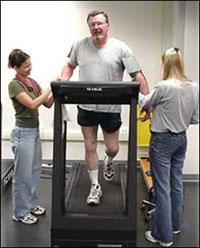
Patients recovering from heart attacks, angioplasties or heart surgeries, would undergo exercise training, nutritional counseling and group support under the rehabilitation program.
To increase the appropriate and timely referral of these patients to outpatient cardiac rehabilitation programs, the American College of Cardiology Foundation (ACCF), the American Association of Cardiovascular and Pulmonary Rehabilitation (AACVPR) and the American Heart Association (AHA) today issued updated performance measures.
Full text of this report will be published in the Sept. 28, 2010, issues of the Journal of the American College of Cardiology, and Circulation: Journal of the American Heart Association<,cite> and the September/October 2010 issue of the Journal of Cardiopulmonary Rehabilitation and Prevention. It will also be available on the websites www.cardiosource.org, www.americanheart.org and www.aacvpr.org.
These measures are intended to help hospitals, doctors and other health care providers more easily track referral rates, adopt tools to improve enrollment, and assess and improve the quality of care provided.
“The gap in referral of patients to cardiac rehabilitation represents the largest gap in care for patients following a cardiac event,” said Randal J. Thomas, M.D., M.S., director of the Cardiovascular Health Clinic at the Mayo Clinic in Rochester, Minn., president of the AACVPR and chair of the writing committee. “The updated measures will hopefully help to improve the health of patients with heart disease by increasing the number of eligible patients who are referred to and receive the lifesaving benefits of cardiac rehabilitation.”
According to previous reports, enrollment in cardiac rehabilitation programs has been shown to reduce the likelihood of death by up to 30 percent.
“These programs can also help prevent future heart-related problems and are generally covered by most health insurance providers,” adds Thomas. “In addition, other co-existing conditions, such as diabetes, high blood pressure, sleep apnea and depression are identified and managed to make sure that all related aspects of the patient’s heart care are covered and coordinated.”
The underuse of cardiac rehabilitation services is due, in part, to the lack of physician referral either because providers forget to refer patients, are not aware of cardiac rehabilitation services in their area or may not understand the significant benefits to patients. Moreover, patients may lack health insurance coverage and perhaps cannot easily travel to a nearby program, especially if they live in rural areas or in places without good public transportation.
The updated ACCF/AHA/AACVPR performance measures paper reinforces the national focus on health care quality and accountability. But efforts are needed to ensure these measures are translated to clinical practice.
Patients usually participate in cardiac rehabilitation programs for three to six months, and may receive long-term follow up.
This update is also endorsed by other national health care organizations including the American College of Chest Physicians, the American College of Sports Medicine, the American Physical Therapy Association, the Canadian Association of Cardiac Rehabilitation, the Clinical Exercise Physiology Association, the European Association for Cardiovascular Prevention and Rehabilitation, the Inter-American Heart Foundation, the National Association of Clinical Nurse Specialists, the Preventive Cardiovascular Nurses Association, and the Society of Thoracic Surgeons.
For more information: www.cardiosource.org, www.americanheart.org, ww.aacvpr.org

 August 28, 2026