News | September 07, 2010

Clinical Trial Evaluates Peripheral Atherectomy Device in the Legs

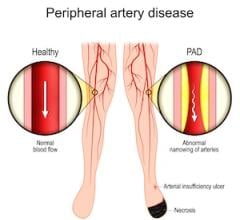
September 7, 2010 – Enrollment started in the Endovascular Atherectomy Safety and Effectiveness (EASE) study to evaluate the safety and effectiveness of the Phoenix Atherectomy catheter. The minimally invasive device treats peripheral arterial disease (PAD) in the legs. The U.S. Food and Drug Administration (FDA)-approved investigational device exemption (IDE) clinical trial will enroll 90 patients at up to 20 clinical sites.

The first patient was treated by Craig Walker, M.D., an interventional cardiologist and medical director of the Cardiovascular Institute of the South in Houma, La. "The Phoenix Atherectomy device created a large, smooth channel in a totally occluded anterior tibial artery with no evidence of distal debris,” he said. “The device was easy to prep and quite easy to use. I am optimistic that this will be a useful tool in the treatment of atherosclerotic disease.”

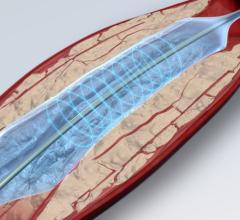
The Phoenix is designed to cut, capture and convey arterial plaque into an external bag visible to the physician. The catheter is front-cutting and has a unique deflectable tip engineered to treat a range of blood vessel sizes with a single insertion of one, single-use device.

"We are excited to enroll the first patient in the EASE study to evaluate this promising new atherectomy technology," said Tom Davis, M.D., interventional cardiologist and director of peripheral interventions and disease at St. John’s Hospital in Detroit and the principal investigator for the EASE study. "I am enthusiastic about the potential for the Phoenix catheter to treat a wider range of arteries and disease with a single catheter. This technology could play a very impactful role in treating limb salvage patients and reducing leg amputations.”

The Phoenix Atherectomy catheter has CE mark in Europe.

For more information: www.atheromedinc.com

Related Content

News | Peripheral Artery Disease (PAD)

June 13, 2026 — New research shows that infrainguinal endovascular interventions for peripheral artery disease (PAD) ...

Home June 15, 2026
Home
News | Peripheral Artery Disease (PAD)

June 10, 2026 — New research shows that patients with peripheral artery disease (PAD) who adhere to pre-operative ...

Home June 11, 2026
Home
News | Peripheral Artery Disease (PAD)

Sept. 9, 2025 — Amplitude Vascular Systems (AVS), a medical device company focused on safely and effectively treating ...

Home September 12, 2025
Home
News | Peripheral Artery Disease (PAD)

June 6, 2025 – A large retrospective review of more than 100,000 patients found the use of glucagon-like peptide-1 ...

Home June 06, 2025
Home
News | Peripheral Artery Disease (PAD)

Feb. 3, 2025 — Today, Peripheral Artery Disease (PAD) affects 10 million Americans and is the most common cause of limb ...

Home February 04, 2025
Home
News | Peripheral Artery Disease (PAD)

Jan. 13, 2025 – R3 Vascular Inc., a medical device company dedicated to treating peripheral arterial disease (PAD) ...

Home January 13, 2025
Home
News | Peripheral Artery Disease (PAD)

A new study reports persistent disparities in outcomes for people with peripheral artery disease (PAD) and its more ...

Home January 13, 2025
Home
News | Peripheral Artery Disease (PAD)

Dec. 13, 2024 – Sensome has announced positive results from two studies of its Clotild Smart Guidewire System ...

Home December 16, 2024
Home
News | Peripheral Artery Disease (PAD)

Nov. 18, 2024 — In November, Esperion presented an analysis from the CLEAR Outcomes study focused on patients with ...

Home December 03, 2024
Home
News | Peripheral Artery Disease (PAD)

Nov. 4, 2024 — Royal Philips recently announced enrollment of the first patient in the U.S. THOR IDE clinical trial ...

Home November 08, 2024
Home
Subscribe Now