December 30, 2014 — After watching his father die from heart valve disease, a mechanical engineer used his expertise in fluid dynamics to develop a first-of-its-kind procedure to replace leaking or regurgitating heart valves without touching the heart.
"The human body is merely a glorified mechanical device," said Bret Park, inventor of the One-Way Heart Assist Valve. "My background in turbomachinery and the study of fluid movement gave me a unique perspective into the workings of the cardiovascular system."
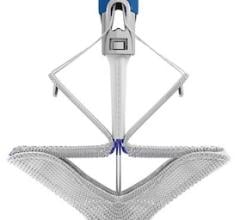
The One-Way Heart Assist Valve technology involves installing a new valve without cutting or tampering with the heart itself. This is accomplished by placing the one-way valve in a vein or artery upstream or downstream from the heart.
"This procedure allows the native heart to regain healthy pumping efficiency," Park said. "Although my invention came too late for my dad, I believe it will save millions of others from suffering the same fate."
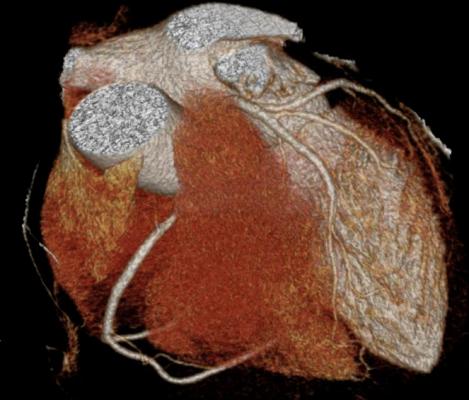
Approximately 23 million people worldwide are afflicted with congestive heart failure (CHF) and over 5.8 million in the United States, according to American Heart Association and National Center for Biotechnology Information. CHF is the chronic inability of the heart to pump blood efficiently and is often caused by heart valve disease (HVD).
Existing medical solutions for CHF and HVD usually involve major surgery, which cuts into the heart itself, or a heart transplant. The surgeries have serious side effects and are considered too risky for a high percentage of patients. Furthermore, only 1 percent of those in need of a new heart actually receive a transplant.
Park's company, Savant Holdings, LLC, estimates that the One-Way Heart Assist Valve technology could help approximately 70 percent of CHF and HVD patients. The invention may be an option in the following situations:
- Patients who are too weak for heart valve surgery
- Patients who need a new heart
- Patients who need but do not qualify for a heart transplant or die waiting
- Patients who desire a better option than the standard valve replacement
- Patients that have a less-than-severe condition and would otherwise postpone a valve replacement
Savant Holdings has shown that this technology works mechanically and is now trying to raise sufficient funds through the crowdfunding website Indiegogo so that animal testing can begin. The availability of funds will determine how soon this technology is approved by the U.S. Food and Drug Administration (FDA) and available for medical use.
For more information: www.indiegogo.com/projects/the-one-way-heart-assist-valve
 November 05, 2026