October 30, 2015 — Results from the SHIELD I (Coronary InterventionS in HIgh-Risk PatiEnts Using a Novel Percutaneous Left Ventricular Support Device) study confirm the benefits of the HeartMate PHP (Percutaneous Heart Pump) cardiac assist device for patients undergoing high-risk percutaneous coronary intervention (PCI). The study demonstrated that consistent, stable hemodynamics were maintained during revascularization when assisted by the HeartMate PHP cardiac assist device.
SHIELD I is a prospective, nonrandomized, open-label, multicenter trial that evaluated the use of the HeartMate PHP cardiac assist device in patients who required hemodynamic (circulatory) support during complex PCI procedures. The study results from the first 46 patients were presented at the 2015 Transcatheter Cardiovascular Therapeutics (TCT) annual scientific symposium.
“We are excited to share the results of SHIELD I, which support the safety and performance of the HeartMate PHP device,” said Dr. Dariusz Dudek, principal investigator of the SHIELD I study and physician in chief, Department of Cardiology and Cardiovascular Interventions at the University Hospital in Krakow, Poland. “The data from SHIELD I demonstrate that the HeartMate PHP device is a highly promising technology that should be considered for high-risk patients, such as those with advanced heart failure or who may be at risk of cardiogenic shock, undergoing PCI procedures.”
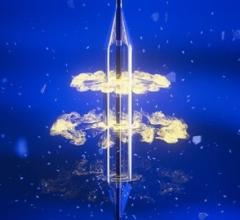
During a PCI procedure, the heart experiences interruptions to blood flow. The minimally invasive HeartMate PHP cardiac assist device is placed via catheter to temporarily assist circulation by continuously pumping blood during PCI, providing physicians more options for high-risk patients. Unlike traditional catheter-based support devices, the HeartMate PHP cardiac assist device can generate an average blood flow of four to five liters per minute, which is the normal amount of blood pumped out by the left ventricle.
Data from SHIELD I show the trial met both endpoints for primary performance (freedom from hemodynamic compromise during PCI) and safety (a composite of major adverse events). In addition, data from SHIELD I showed:
• Low complication rates. Researchers leading SHIELD I did not observe any cases of device- related cardiac death or myocardial infarction, no intraprocedural hypotension, and the overall incidence of complications related to the HeartMate PHP device was low
• Ease of use. The research team highlighted the consistent and efficient implantation process offered by the HeartMate PHP device
The HeartMate PHP device is CE mark approved and commercially available in Europe. Approval was based on data from the first 30 patients enrolled in the HeartMate PHP SHIELD I CE Mark Trial. In the United States, the HeartMate PHP cardiac assist device is currently being evaluated in the SHIELD II IDE clinical trial as an investigational device and limited by U.S. law to investigational use.
Thoratec developed the PHP and St. Jude Medical recently acquired Thoratec.
For more information: sjm.com
 August 31, 2026