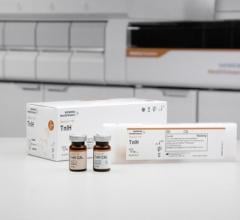

January 12, 2016 — Even though brain natriuretic peptide (BNP)/pro-BNP and troponin biomarkers are the gold standard for cardiac disease diagnosis, end users will soon see additional alternative biomarkers entering the market, according to analysis from Frost & Sullivan. By 2024, emerging biomarkers such as ST2 Galectin-3 are becoming more sensitive in diagnosing cardiovascular disease and will penetrate the lab-based and point-of-care (POC) end user segments.
The report, Analysis of the Cardiac Biomarker Diagnostics Market, finds the market earned revenues of $551 million in 2014 and estimates this to reach $813.8 million in 2021 at a compound annual growth rate of 5.7 percent.
The biggest opportunity for cardiac biomarker diagnostic manufacturers lies in providing a wholesome platform allowing for quick yet well-rounded diagnoses of patients. Companies such as Siemens are at an advantage in terms of product development, as they are leaders in both clinical diagnosis and diagnostic imaging.
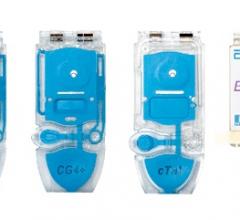
“Obtaining an accurate and early diagnosis is no longer as challenging with the increased use of advanced POC tests (POCTs),” said Frost & Sullivan Transformational Health Industry Analyst Aish Vivekanandan. “The higher adoption of POCTs in clinical and ambulatory settings has given a significant boost to the cardiac biomarker diagnostics market.”
An additional impetus has been the implementation of the U.S. Affordable Care Act (ACA), designed to improve healthcare accessibility. The ACA initiated a shift towards value-based care, which has increased the pressure on hospitals to invest in more efficient and accurate products.
“POCT is growing at a faster rate than lab-based tests and will spur the growth in this market, however lab-based tests remain the “gold” standard,” observed Vivekanandan. “The growing budget constraints and the push for value-based healthcare opens opportunities for the POCT market as it offers a quick turn-around-time, providing early diagnosis which is crucial for surviving heart diseases.”
There is tremendous opportunity for cardiac biomarker diagnostics to be used as a companion diagnostic tool to monitor patients undergoing drug treatment. Additionally, they could integrate digital apps enabling access to consumer behavior analytics, as well as offer consultations and services for biomarker testing for long-term success.
For more information: www.frost.com

 October 09, 2019