October 17, 2016 — Medtronic plc last week unveiled new health economic analysis data from the FIRE AND ICE trial that favor cryoballoon catheter ablation over radiofrequency (RF) ablation related to trial period cost savings. The savings came as a result of fewer cardiovascular (CV) rehospitalizations and repeat ablations.
The data were presented at a late-breaking clinical trial session at the Asia Pacific Heart Rhythm Society's Scientific Sessions, Oct. 12-15, in Seoul, Republic of Korea.
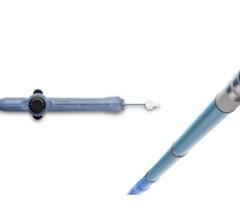
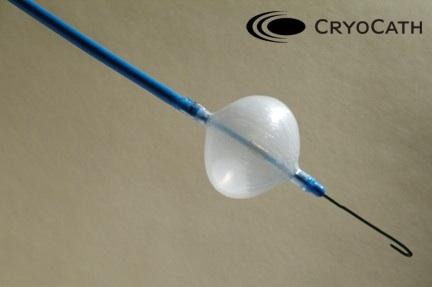
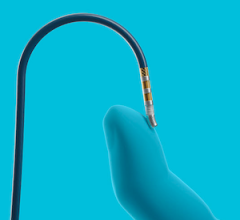
The new analyses show that the Arctic Front Cryoballoon Catheter Family reduces payer costs across multiple healthcare systems, compared to the ThermoCool line of RF ablation catheters. Investigators also examined the association between baseline patient demographics and CV rehospitalizations to determine if the primary and secondary trial results were consistent across patient subgroups.
"The cryoballoon technology demonstrates cost savings across multiple health systems, driven by a reduction in post-procedure rehospitalizations and reinterventions due to their underlying disease state," said Prof. Karl-Heinz Kuck, M.D., director of cardiology at Asklepios Klinik St. Georg, Hamburg, Germany, and principal investigator of the trial. "These analyses highlight the real-world patient outcomes and health system benefits of the cryoballoon."
The primary results from the FIRE AND ICE trial were published in The New England Journal of Medicine and showed comparable safety and effectiveness of cryoballoon ablation and RF catheter ablation. Secondary analyses, which demonstrated significantly fewer repeat ablations and lower cardiovascular hospitalization rates with cryoablation, were published in the European Heart Journal.
Total rehospitalization and reintervention events observed during the trial (average follow up of 1.5 years) were assigned payer costs based on the healthcare systems and currencies from Germany (Euro), the United Kingdom (British Pound) and the United States (USD), respectively. This analysis revealed the cryoablation group used fewer post-procedure healthcare resources and experienced fewer repeat ablations and reinterventions compared to the RF group (205 healthcare utilization events versus 268), demonstrating favorable health economics across three major healthcare systems:
- €244,607 total trial savings under the German system (p=0.012);
- £139,603 total trial savings under the United Kingdom system (p=0.013); and
- $355,005 total trial savings under the United States system (p=0.016).
Investigators also evaluated baseline patient characteristics and their association with CV rehospitalizations — one of the trial's predefined secondary endpoints — to determine whether certain subgroups may respond more favorably to treatment with the cryoballoon or RF ablation. Patients with a CHA2DS2-VASC (stroke risk) score of 0-1, and/or patients with prior direct current cardioversion were associated with a significantly lower risk of CV rehospitalization with cryoablation versus RF ablation.
FIRE AND ICE is the largest multicenter, prospective, randomized study to compare cryoballoon ablation and point-by-point RF ablation for the treatment of paroxysmal atrial fibrillation (AF), enrolling 769 patients. The trial met its primary efficacy endpoint of showing noninferiority for cryoballoon compared to RF catheter ablation in reducing arrhythmia recurrence and the need for antiarrhythmic drug therapy and/or repeat ablation, but with shorter and more consistent procedure times when using the cryoballoon. It also met its primary safety endpoint of time to first all-cause death, all-cause stroke/TIA, or treatment-related serious adverse events.
For more information: www.nejm.org, www.eurheartj.oxfordjournals.org
 September 08, 2026