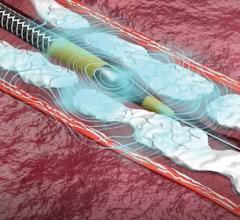
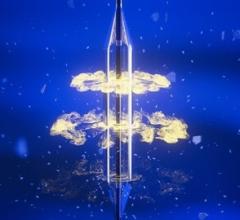
November 21, 2016 – A single-center study sponsored by the National Institutes of Health (NHLBI) failed to show an early benefit of postconditioning (the application of brief periods of ischemia during the initial phase of reperfusion) in patients with ST-elevation myocardial infarction (STEMI) undergoing primary percutaneous intervention (PCI) and stenting. The study was conducted by researchers at the Minneapolis Heart Institute Foundation after their findings in a previously published small, nonrandomized study demonstrated that patients who underwent postconditioning had improved left ventricular (LV) function following their myocardial infarction.
Principal investigator Jay Traverse, M.D. developed the study to try and improve upon several previous trials from Europe and Asia that found postconditioning had mixed results in the setting of STEMI cases. “We sought to study the most optimal patient population with STEMI that could benefit from postconditioning to see if it is really effective,” Traverse said. “To accomplish that, we only enrolled patients with a totally occluded major coronary artery on presentation without evidence of collateral blood flow, with limited ishemic times between one and six hours and no evidence of pre-infarction angina, a powerful mitigator of infarct size. We also performed the postconditioning intervention immediately upon reperfusion with a guidewire, because the benefits of postconditioning in animals is lost if postconditioning is delayed for even one minute following reperfusion.”
The MRI-based study randomized 165 patients to postconditioning followed by PCI and stenting versus routine primary PCI and stenting. The postconditioning intervention consisted of four 30-second balloon inflations separated by 30 seconds of reperfusion. A total of 101 patients met final enrollment criteria and underwent MRI measurements of infarct size and myocardial salvage one to three days following PCI.
“Unfortunately, we found that the addition of postconditioning to primary PCI had no effect on infarct size and myocardial salvage. In the postconditioning group (n=53), mean infarct size was 21.1 g vs 20.4 g in the control group (n=48) and the myocardial salvage index was 16.8 in the postconditioning group and 15.9 in the control group. No benefit of postconditioning was observed when the data was stratified by ischemic times, sex or age,” Traverse said.
He is not entirely ready to abandon post-conditioning, although it is possible that the reperfusion injury described in animal models may not occur in humans. The research team is analyzing follow-up MRIs from these patients taken at three months and one year. “It is possible that we may see a delayed benefit of postconditioning on LV function since previous studies have not examined this later time point,” he explained.
For more information: www.mplsheart.com
 July 10, 2026