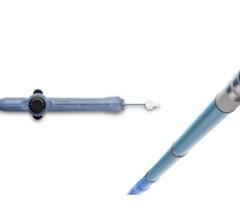
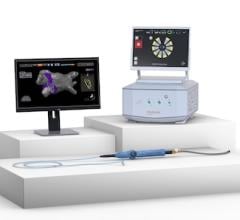
Attune Medical’s ensoETM is a single use thermal regulating device that is placed in the esophagus similar to a standard gastric tube and connected to an external heat exchange unit, creating a closed-loop system for heat transfer to increase or decrease patient temperature. EPs are now looking at the device as a way to prevent RF damage to the esophagus during cardiac ablations.
December 3, 2020 – Attune Medical reports the first major peer-reviewed clinical publication using its ensoETM device in cardiac ablation procedures to see if using the esophageal space for temperature management could decrease collateral thermal injury from electrophysiology (EP) radiofrequency (RF) ablation for atrial fibrillation (AF).
The IMPACT Study was published Nov. 17, 2020 in the journal EP Europace.[1] It details the work by Dr. Mark Gallagher and colleagues. Gallagher is a cardiologist at St. George’s University Hospital, London, U.K. The team evaluated the use of the ensoETM for AF ablation protection of the esophagus. Catheter ablation occurs at a thin walled part of the heart that is against the esophagus. The RF energy can go through the myocardium and damage the underlying tissue nest to the heart.
Attune Medical’s ensoETM is a single use thermal regulating device that is placed in the esophagus (similar to a standard orogastric tube) and connected to an external heat exchange unit, creating a closed-loop system for heat transfer to increase or decrease patient temperature. Its placement in the esophagus, with proximity to blood flow from the heart and great vessels, allows highly efficient heat transfer. Unlike surface warming devices, ensoETM‘s internal placement does not impede patient access during surgery and allows gastric decompression and administration of fluids and medications.
Another study, OPERA, was also published recently in Europace by different authors that showed intraesophageal temperature monitoring during cardiac ablation procedures using a traditional temperature sensor probe did not affect the incidence of endoscopically detected esophageal lesions.[2] This highlights the need for continued research regarding alternative methods to protect the esophagus from thermal injury during cardiac ablations.
The company also completed the final closing of a $4 million convertible note offering. The funds will be used to increase the company’s commercial and clinical presence while supporting further studies in key device application areas.
“As uses of esophageal-based temperature management continue to expand, we are committed to supporting clinical studies such as the IMPACT trial to advance clinical practice in growing fields such as cardiac ablation” commented Keith Warner, CEO. “Our mission is to apply temperature management solutions using our proprietary esophageal-based device to maximize clinical benefit across a range of applications and patient groups”
Attune Medical developed the ensoETM medical device technology to simplify access to the patient’s core to efficiently control temperature and is the only device FDA-cleared for use in the esophagus for whole-body temperature management. The ensoETM device is used in critical care units, operating rooms, and emergency departments for the intentional modulation of patient core temperature and can be rapidly placed by most trained healthcare professionals.
For more information: www.ensoetm.com
References:
 September 08, 2026