March 29, 2025 — Anthos Therapeutics, Inc., presented two new analyses from its AZALEA-TIMI 71 study at the American College of Cardiology Annual Scientific Session (ACC.25) demonstrating the novel Factor XI inhibitor abelacimab significantly reduced bleeding in patients regardless of age or bleeding risk.
In the first analysis, the safety of abelacimab, a novel Factor XI inhibitor, was compared to rivaroxaban, a direct oral anticoagulant (DOAC), by patient age. Inhibition of Factor XI with abelacimab significantly reduced the relative risk of major or clinically relevant non-major (CRNM) bleeding compared with rivaroxaban regardless of age, with potential for greater absolute risk reduction (ARR) with older patients. The ARR in patients 75 years of age and older was 6.2% compared to 4.2% in patients less than 75 years. In addition, abelacimab consistently reduced bleeding risk in patients 75 years of age and older regardless of renal function, body mass index (BMI), and the use of concomitant antiplatelet therapy.
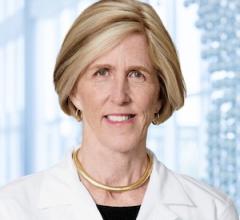
"Patients with atrial fibrillation, particularly older patients, are frequently at a high risk of bleeding. There is a need for safer anticoagulants that can prevent thrombotic events while minimizing excess bleeding,” said Christian T. Ruff, MD, MPH, senior investigator of TIMI Group, director General Cardiology, Brigham and Women's Hospital, and associate professor, Harvard Medical School. “These data show that abelacimab significantly reduced the risk of major or CRNM bleeding, particularly among people over 75 who are vulnerable to such risks, and, if approved, could be a safer alternative for patients needing anticoagulation therapy.”
In the second analysis, the safety of abelacimab was compared to rivaroxaban across a spectrum of bleeding risk, which was determined by using the direct oral anticoagulant (DOAC) score, a clinical tool leveraged to assess the risk of bleeding in patients who are prescribed DOACs. In patients with atrial fibrillation, abelacimab reduced rates of bleeding relative to rivaroxaban regardless of bleeding risk, with greater absolute safety benefit in those at higher bleeding risk. In the rivaroxaban arm, the rates of major or CRNM bleeding per 100 patient years increased stepwise across risk categories from 5.6% in the low risk category to 21.2% in the very high risk category. In contrast, the rates of bleeding in patients in the pooled abelacimab arm were 2.5% in the low-risk category to 7.1% in the very high-risk category. The ARR increased from 3.1% in the low risk category to 14.1% in the very high risk category (p-trend for ARR <0.001). These data suggest that, if approved, abelacimab may be especially attractive in patients with atrial fibrillation who are at high bleeding risk.
"Research shows that 40% of patients with atrial fibrillation are not receiving optimal treatment when it comes to anticoagulation, in large part due to a fear of bleeding. This includes people living with atrial fibrillation who have a higher risk of bleeding, such as the elderly, patients taking anti-platelet agents, and those with other co-morbidities,” said Dan Bloomfield, MD, chief medical officer of Anthos Therapeutics. “These results suggest that abelacimab may be safe across the spectrum of bleeding risk and may make it possible to anticoagulate some of the most vulnerable populations who otherwise would not be treated and therefore left unprotected from the risk of stroke.”
Full results of the AZALEA-TIMI 71 study were published in January of this year in the New England Journal of Medicine (NEJM) and demonstrated a 62% reduction in major or CRNM bleeding with abelacimab 150 mg compared to rivaroxaban 20 mg in patients with atrial fibrillation. Abelacimab is currently in Phase 3 development with the lead indication for the prevention of stroke and systemic embolism in patients with atrial fibrillation (LILAC-TIMI 76), in addition to two studies in patients with cancer-associated thrombosis (ASTER and MAGNOLIA). Data from these trials are expected in the second half of 2026.
AZALEA-TIMI 71 Study of Bleeding Risk by Age
- Relevant Study Details:
- Both abelacimab doses (90 mg and 150 mg) were pooled for this analysis.
- Cox proportional hazards were used to examine the primary outcome of major/CRNM bleeding with an interaction term for treatment*age (≥75 vs <75 yrs).
- Of 1,287 patients, 625 (49%) were ≥75 yrs at baseline. Patients ≥75 had lower BMI (28 vs. 32 kg/m2) and were less likely to be on antiplatelet therapy (17% vs 31%), but more likely to have Creatinine clearance (CrCl) ≤50 mL/min (33% vs. 8%) compared with younger patients (p<0.001 for each).
AZALEA-TIMI 71 Study of Patient-Specific Bleeding Risk
- Relevant Study Details:
- Both abelacimab doses (90 mg and 150 mg) were pooled for this analysis.
- Patient-specific bleeding risk was categorized using the previously validated DOAC score.
- Overall, 8%, 33%, 37%, 16% and 5% of patients were categorized as very low (0-3), low (4-5), moderate (6-7), high (8-9) and very high (10) bleeding risk, respectively.
1 Goodman et al. Crit Pathways in Cardiol. June 2024
2 Hsu et al. J Am Coll Cardiol. Aug. 2021
3 Hsu et al. J Am Coll Cardiol. Aug. 2021
4 Hsu et al. J Am Coll Cardiol. Aug. 2021
5 TIMI Study Group website, AZALEA 71
6 Yi BA et al. J Thromb Haemost. Oct. 2021
7 Ruff C et al. N Engl J Med. Jan. 2025

 April 02, 2026