Medical device portfolios now move on two very different clocks. New technologies can gain clinical adoption within months and quickly change which devices flow through a health system’s exam rooms, operating rooms and labs. At the same time, established products can remain relevant for a decade or longer.
Hospitals need a reprocessing strategy designed for both realities. That requires more than adding devices whenever an opportunity happens to surface. It requires a deliberate process for expanding, measuring and continuously reassessing the portfolio.
Reprocessing Benchmark
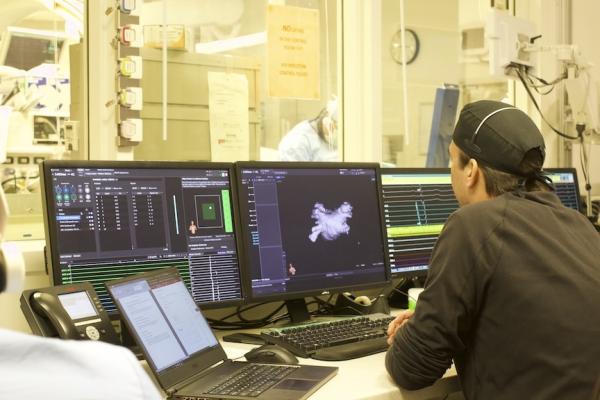
Let’s take electrophysiology (cardiology) labs as an example. New data in The Reprocessing Performance Benchmark shows that the average participating EP program increased reprocessed-device utilization by 28% in one year. The number of distinct products used rose 18%, with the remaining growth coming from deeper use of products already in the program. In other words, strong growth depended on both breadth and depth.
The gap between average and leading programs makes the point even more clearly. The average cardiology reprocessing program used 213 reprocessed devices across seven product families. A 90th-percentile program used 2,049 devices across 27 families. The leading program did not simply process more units from the same narrow set of products. It operated across a much broader portfolio and then used each part of that portfolio more extensively.
That kind of growth does not happen through procurement alone. Every new product requires clinical review, collection logistics, staff education and physician acceptance. Once adopted, it must be consistently collected, purchased back, and used when clinically appropriate. Breadth creates the opportunity; operational discipline converts it into savings.
Make Room for Rapid Adoption
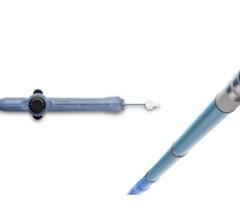
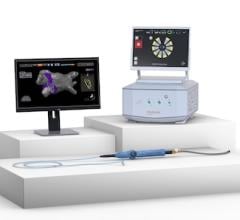
Hospitals need a faster way to recognize when technology adoption is changing the composition of the EP lab. The benchmark report found that a leading pulsed field ablation device’s use grew 1,230% in 12 months compared to 135% growth for slower-diffusing radiofrequency devices.
Hospitals should evaluate fast-growing devices promptly while accounting for clinical eligibility, available clearances, procedure mix, and purchasing commitments. An annual contract review is too slow to capture a major shift in utilization. Supply chain leaders and lab managers need a regular process for identifying fast-growing devices, determining whether a utilization/reprocessing pathway exists, and preparing collection practices before meaningful volume is lost.
Protect the Workhorses
A focus on emerging technology can create the opposite problem if it draws attention away from products that continue to generate dependable savings. The medical device lifecycle analysis found that 85% of catalog items had seven or more years of meaningful volume. Products from the 2016 and 2017 vintages represented 73.2% of all 2026 device volume. More than a third of devices purchased in 2026 were products that had also been purchased a decade earlier.
These long-lived devices form the economic base of many reprocessing programs as well. Their value comes from repetition: reliable collection, high buyback compliance, and routine use across a large number of procedures. A mature category may attract less attention than a newly introduced device, but small execution failures compound quickly when the volume is high. Hospitals should monitor collection and utilization by product family and make sure established devices remain visible in program assessments.
Find the White Space
Intentional expansion also means looking beyond categories that have already become standard. In the reprocessing benchmark report, 10 product families account for 65% of all reprocessed products used. Diagnostic catheters have reached 95% adoption among participating facilities, while mapping catheters are used by 49%, transseptal needles by 33%, and intravascular ultrasound devices by 31%.
Those figures do not mean that every hospital should adopt every underused category. They show where investigation should begin. Leaders should compare category adoption with the hospital's own case mix, device purchases, and clinical practices. The purpose is to identify eligible devices that are already moving through the facility but remain outside the reprocessing program, then determine whether the barrier is clinical, contractual, or operational.
The Program as a Living Portfolio
The most useful reprocessing dashboard should separate portfolio breadth from execution depth. Hospitals should track how many eligible products and families are included, then measure collection, buyback, and utilization within each one. They should also review which devices are gaining share, which are declining, and whether the program is responding at the same speed as the lab.
The strongest programs will support emerging devices and established ones through the same repeatable management process. They will incorporate fast-adopting technologies while protecting the workhorses that generate savings year after year. Reprocessing reaches its full value when expansion is intentional and the portfolio is treated as something that must keep moving with clinical practice.
Lars Thording, PhD, is vice president of marketing and public affairs at Innovative Health LLC.
 September 08, 2026