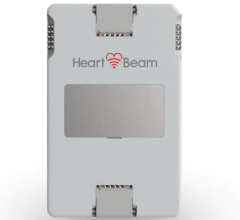
March 5, 2024 — FIRE1 announced that it has completed patient enrollment in the U.S. Early Feasibility Study (FUTURE-HF2) of its FIRE1 System for remote heart failure monitoring. The FIRE1 System is the first device designed to directly measure a patient’s volume status by measuring the largest vein in the body where most fluid is stored – the inferior vena cava (IVC) – to better manage heart failure.
The FIRE1 study encompassed 15 patients treated at five centers across the U.S., including Austin Heart Central at the Heart Hospital of Austin, NewYork-Presbyterian/Columbia University Irving Medical Center, Duke University Medical Center, Rochester General Hospital, and The Ohio State University Wexner Medical Center.
“Fluid build-up is challenging to accurately measure today and results in unnecessary hospital admissions due to fluid overload that was not caught early enough to be managed in the home,” said Dr. Nir Uriel, director of advanced heart failure and cardiac transplantation at NewYork-Presbyterian, and principal investigator of the study. “We are encouraged by our experience using the FIRE1TM system and excited about the prospect of heart failure management becoming easier and more effective for both patients and for the clinical team.” Dr. Uriel is also a professor of medicine in the Division of Cardiology at Columbia University Vagelos College of Physicians and Surgeons and an adjunct professor of medicine in the Greenberg Division of Cardiology at Weill Cornell Medicine.
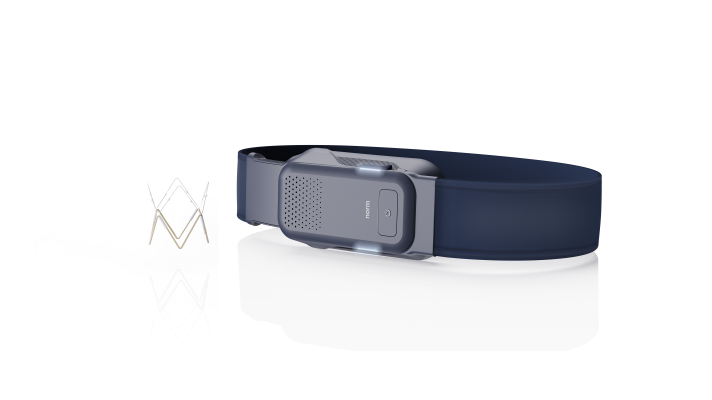
FIRE1 seeks to transform heart failure management by enabling patients to monitor and control their fluid volume themselves with a consumer-friendly device at home, similar to how continuous glucose monitoring transformed diabetes care. Fluid overload is a classic clinical feature of heart failure, which affects more than six million people in the U.S. and is the most common cause of hospitalization for those aged 65 and over. Today’s technologies do not directly measure fluid volume where it is primarily stored (the IVC), resulting in lagging measurements that do not identify fluid overload early enough to manage outside of the hospital. The FIRE1 system is a small, minimally invasive implantable sensor designed to accurately identify fluid build-up earlier, when it can be more easily managed by the patient and their physician without a hospital visit.
“It is gratifying to see the physician interest in our novel technology that earlier studies suggest should be a more sensitive measure than pressure in monitoring heart failure,” said FIRE1 CEO and President Conor Hanley. “We look forward to sharing the results of this study with the clinical community and conducting larger studies to validate the performance of the FIRE1 device. By enabling patients to better manage their fluid load, we hope to unload the burden on emergency rooms, helping hospitals focus on the most urgent patients who need immediate care rather than on acute management of heart failure.”
For more information: www.fire1foundry.com

 August 24, 2026