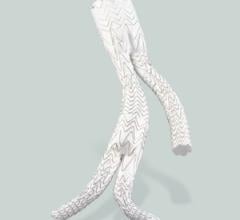
When it comes to opening blocked carotid arteries, surgery may be less risky than stents according to a study by French doctors including Jean-Louis Mas, M.D., of the Hospitaux Sainte-Anne in Paris.
The carotid arteries run through the neck, taking blood to the brain. They can become narrowed from plaque buildup, making strokes more likely. Mas' team found that patients who got surgery instead of stents to open the carotid arteries were less likely to die or have strokes in the first six months after their procedure.
The study appears in The New England Journal of Medicine.
Mas' team studied 527 French patients who had a carotid artery at least 60 percent more narrow than normal. The patients had all experienced a non-disabling stroke, or "mini-stroke," because of the blockage. The researchers randomly assigned patients to get carotid artery surgery or stents.
Over the next six months, 6 percent of the surgery group died or had a stroke, compared with about 11 percent of the stent group.
They stopped the experiment early due to those findings and called for larger, longer studies to check their results.

 November 03, 2026