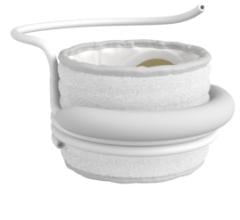
February 18, 2009 - The FDA has cleared a new claim for the CryoLife CryoValve SG pulmonary human heart valve that relates to reducing a component of the immune response in recipients of the CryoValve SG.
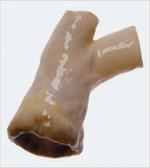
CryoValve SG pulmonary human heart valve is processed with the CryloLife's proprietary SynerGraft technology, which is designed to remove alogeneic donor cells and cellular remnants from the valve without compromising the integrity of the underlying collagen matrix.
The new claim relates to the fact that data from three company-sponsored clinical studies and a comprehensive review of the scientific literature on allograft heart valves shows that implantation of the CryoValve SG reduces the risk of inducing HLA class I and class II alloantibodies, based on Panel Reactive Antibody (PRA) measured at up to one year, compared to the standard- processed pulmonary human heart valve. The effect of reduced alloantibodies, however, on the long-term durability, or long-term resistance to rejection by the patient, of the CryoValve SG has not yet been clinically proven. The company has documented the implantation of more than 1,800 CryoValve SG pulmonary human heart valves.
The CryoValve SG pulmonary human heart valve is indicated for the replacement of diseased, damaged, malformed or malfunctioning native or prosthetic pulmonary valves. The valve can be used in conjunction with right ventricular outflow tract reconstruction procedures (RVOT), commonly performed in children with congenital heart defects. In addition, the valve can be used for pulmonary valve replacement during the Ross Procedure, an operation in which a patient's defective aortic valve is removed and replaced with his or her own pulmonary valve. The CryoValve SG is then surgically implanted in place of the removed native pulmonary valve.
A PRA screen is used to identify allosensitized patients prior to organ transplantation. An elevated PRA level, indicating pretransplant alloantibodies, increases the risk of organ transplant rejection and patient mortality. In addition, high and prolonged PRA levels may prevent or delay transplantation until a suitable crossmatch-compatible donor is identified.
"This new claim is important because a subset of patients receiving an allograft heart valve is likely to eventually require an organ transplant. Demonstration of reduced alloantibody levels with the CryoValve SG can be a key consideration for cardiac surgeons when replacing the pulmonary valve. Working with the FDA, we will monitor the long-term clinical outcomes over the coming years to assess what impact the SynerGraft process has on valve durability," said Steven G. Anderson, president and chief executive officer of CryoLife.
For more information: www.cryolife.com
 September 25, 2026