Impact of Transradial and Transfemoral Coronary Interventions on Bleeding and Net Adverse Clinical Events in Acute Coronary Syndromes
Martial Hamon, et al EuroIntervention 2011, 7:91-97
Study design
• Post-hoc analysis of the OASIS 5 trial for patients undergoing an early invasive strategy.
• Patients received enoxaparin or fondaparinux.
• 7,885 patients underwent PCI using either femoral or radial access included in the analysis
Primary endpoint: Composite ischemia and major bleeding endpoints at 9 days, 30 days and 6 months; Net adverse clinical events defined as combination of ischemic endpoints and major bleeding
Result: No difference in ischemic endpoints based on approach; Radial approach associated with significantly less bleeding with either anticoagulation strategy
Bottom line: Radial approach limits bleeding without impacting ischemic outcomes
Reduction of Scatter Radiation During Transradial Percutaneous Coronary Angiography: A Randomized Trial Using a Lead-free Radiation Shield
Luigi Politi, et al Catheterization and Cardiovascular Interventions (Epub ahead of print)
Study design: Prospective, randomized study of a lead-free radiation shield
Primary endpoint: Radiation exposure to the operator during diagnostic cardiac catheterization; Exposure measured at chest, left eye, left wrist and thyroid
Results: Despite similar fluoroscopy times and total radiation dose, radiation exposure decreased by 23% relative to control; Radiation exposure was lower at all measured points
Bottom line: Use of a radiation drape can dramatically decrease radiation exposure to the operator
A Single Center Experience With Same-Day Transradial-PCI Patients: A Contrast With Published Guidelines
Ian C. Gilchrist, et al Catheterization and Cardiovascular Interventions (Epub ahead of print)
Study design: Retrospective review of 100 sequential patients who underwent same day discharge following TR-PCI
Primary endpoint: Adherence to SCAI/ACC appropriateness criteria for outpatient PCI
Results: Only 15% of patients met appropriateness criteria; The most common contraindications to discharge from the Consensus statement included advanced age (n=26), insulin dependent DM (n=5), contrast allergies (n=4), presence of COPD (n=8) and multivessel CAD (n=4); No patients were readmitted or experienced a post-PCI complication
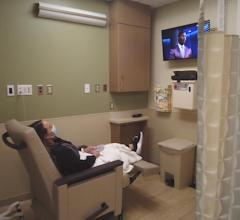
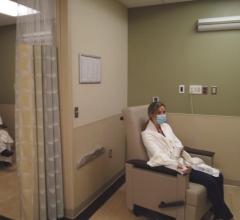
Bottom line: Use of the transradial approach with a structured follow-up process can lead to a successful same day discharge program

 May 19, 2022