March 8, 2012 — Researchers at Sentara Cardiovascular Research Institute are among the top enrollers out of 69 leading heart centers in the United States involved in a clinical trial designed to use a new investigational device to evaluate the safety and efficacy of a physician-directed patient self-management system.
The purpose of the study is to determine if an implantable monitoring device, smaller than a smart phone, can effectively monitor the pressure in the left atrium of the heart and manage the patient's medications to reduce episodes of heart failure. Heart failure is a chronic condition in which the heart is not pumping as well as it should. Clinicians commonly use the symptoms of heart failure, such as fatigue or shortness of breath, to determine a heart failure patient's status and need for treatment. Left atrial pressure is considered an excellent indicator of status, providing the most objective measure. Changes in left atrial pressure occur before fluid retention and worsening of heart failure symptoms.
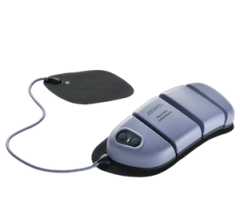
In this research study, the device is implanted just under the skin in the chest with wires connected to the heart in half of the study patients. This device records left atrial pressure, and a hand-held monitor collects that information, transmits it to doctors and nurses at the study center over regular phone lines, and directs patients to take medicines or make lifestyle changes as needed. The study is designed to ask patients to increase heart failure medicines to relieve symptoms before they occur.
The study (called Left Atrial Pressure Monitoring to Optimize Heart Failure Therapy, or LAPTOP-HF) is designed to evaluate the rate of heart failure episodes and hospitalizations among the treatment group of heart failure patients and the control group.
"We want to find the body's earliest warning of a heart failure episode even before a patient feels bad or exhibits classic signs of distress like swelling. Our hope is to be able to treat these patients at home, well before a patient needs to come to the hospital," said cardiologist John Herre, M.D., principal investigator and co-medical director at Sentara Cardiovascular Research Institute.
For more information: www.sentara.com

 October 01, 2026