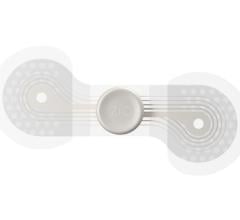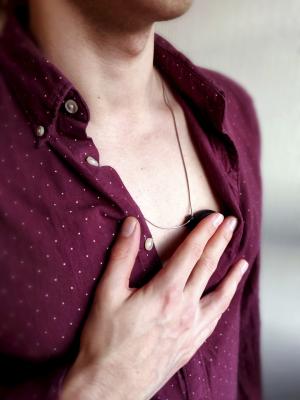
This wearable necklace ECG monitor provides a new and easy method for detecting an abnormal heart rhythm called atrial fibrillation and is accurate, according to a new study from the University of Eastern Finland.
May 2020 — An necklace has been developed that detects abnormal heart rhythm will be showcased for the first time on EHRA Essentials 4 You, a scientific platform of the European Society of Cardiology (ESC).
"The wearable necklace-ECG (electrocardiogram) provides a new and easy method for detecting an abnormal heart rhythm called atrial fibrillation, which is a fast-growing public health problem," said study author Elmeri Santala, a medical student at the University of Eastern Finland.
One of the major causes of stroke is unrecognized and untreated atrial fibrillation. Approximately 25 percent of all strokes are caused by atrial fibrillation (AF). While it is the most common heart rhythm disturbance, atrial fibrillation is often symptomless and intermittent, making its detection and diagnosis challenging. Innovative methods for detection are therefore needed.
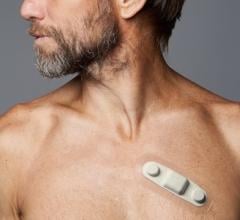
This study examined the diagnostic accuracy of an ECG worn around the neck. A single-lead ECG is embedded into the pendant.
To measure their heart rhythm, users start an application on their smartphone then place the necklace pendant between the palms of their hands or between the palm and the chest for 30 seconds. Data are automatically sent to a cloud service and analyzed for atrial fibrillation using artificial intelligence (AI). Within a few seconds, the smartphone application displays the results of the analysis. An ECG report is also generated for physicians to confirm the diagnosis.
The study enrolled 145 adults who used the necklace to measure their own heart rhythm. Participants simultaneously underwent a three-lead ECG recording as a "gold standard" comparison.
Two cardiologists analyzed all ECG readings without knowing the initial rhythm (i.e. they were blinded to the 3-lead ECG recordings and initial 12-lead ECG). Automated AI analysis of the necklace ECG was also performed.
The necklace produced ECG recordings with excellent quality to detect and diagnose atrial fibrillation. Atrial fibrillation diagnoses made by standard ECG measurement were also picked up by the necklace device with high accuracy, both the automated AI analysis and interpretation of the ECG report by a cardiologist.
"The necklace ECG is simple to use and allows repetitive self-monitoring of heart rhythm, thereby improving the likelihood of detecting atrial fibrillation," Santala said. "The ESC recommends screening for atrial fibrillation in people over 65 years of age and in those at high risk of stroke;[1] automated analysis by the necklace ECG is well suited for this purpose. Diagnosis of atrial fibrillation should always be confirmed by a physician using the ECG report."
References:

 August 26, 2026