Image credit: Getty Images
March 9, 2022 – According to the American Heart Association, scientific research supports the view that losing an hour of much needed sleep may not be the only thing to dread about “springing forward” when clocks move up for daylight saving time later this month. The upcoming time change may also negatively impact your heart and brain health.
The concept of daylight saving time describes the practice of setting clocks forward one hour from standard time during the transition to the summer months in order to extend the practical use of natural daylight. This year, daylight saving time begins on Sunday, March 13. Many scientific studies report an increase in the incidence of heart disease and stroke during this time transition.
A study from New York, presented at the American Heart Association’s Scientific Sessions in 2018, reported that hospital admissions for atrial fibrillation (AFib), the most common type of irregular heartbeat, rise with daylight saving time transition. Researchers found that on the Monday to Thursday following the start of the time transition in the spring there were 3.13 AFib hospital admissions a day compared to 2.56 daily admissions for the same days on average over the rest of year. There was no notable difference in AFib admissions for the Monday to Thursday following the autumn transition at the end of daylight saving time.
The Monday following the spring time change (after losing an hour of sleep) was associated with a 24% increase in daily heart attack counts and the Tuesday following the fall time change (gaining an hour of sleep) was conversely associated with a 21% reduction in heart attacks, according to a study from Michigan.
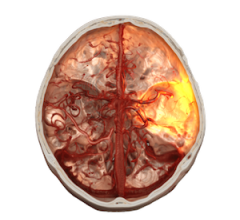
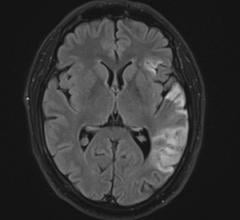
Stroke rates also increase with the change to daylight saving time. In a study from Finland, researchers found that the overall rate of ischemic stroke was 8% percent higher during the first two days after a daylight saving time transition.
“We don’t really know the specific reason for increases in heart disease and stroke during the daylight saving time change, but it likely has something to do with the disruption to the body's internal clock, or its circadian rhythm,” said American Heart Association President Donald M. Lloyd-Jones, M.D., Sc.M., FAHA, chair of the department of preventive medicine, the Eileen M. Foell Professor of Heart Research and professor of preventive medicine, medicine and pediatrics at Northwestern University’s Feinberg School of Medicine in Chicago. “If you are already at risk for cardiovascular disease, the time change could be even more risky. It’s important to work on improving your health risk factors all year long, and there are some specific steps you can take to prepare for the impact of ‘springing forward’ each spring.”
- Start now getting as much light as possible each day. This can help adjust your body rhythm for the change to come.
- Start winding down a little earlier in the evenings ahead. While you can never make up lost sleep, going into the time change well-rested can help.
- Don’t compensate with extra caffeine. It may feel like an extra coffee or two can help you through the mid-day slump, but too much caffeine is not heart healthy.
- Don’t take a nap. Most people don’t get enough sleep at any time; adding a cat nap to your afternoon can make it even harder to sleep well that night.
According to Lloyd-Jones, the best preparation for the time change is to make gradual lifestyle improvements year-round. Move more. Get your cholesterol and blood pressure checked. Make sure you’re working on healthy sleep habits and eating smart.
“These healthy lifestyle behaviors won’t only soften the annual biological clock shock, they are proven ways to reduce your risk of heart disease and stroke, helping you live a longer, healthier life,” he said.
For more information: https://www.heart.org/en/

 September 09, 2026