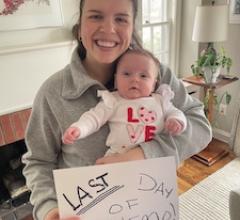

Spending time with his daughter and granddaughters is what motivated Rod to seek treatment at Memorial Cardiac and Vascular Institute,
July 11, 2022 — Rod was diagnosed with cancer, but it wasn’t his most urgent medical issue.
A few months after that diagnosis, and with his heart rate “going berserk,” according to his daughter, Rebecca, Rod was taken to the emergency room. There it was discovered he had an arrythmia, but even that wasn’t his biggest problem.
“Rod was hospitalized because of the arrythmia, even though at first glance the heart appeared normal,” said Dr. Demetrio Castillo, a cardiac electrophysiologist at the Memorial Cardiac and Vascular Institute. “We explored it further with a cardiac MRI and in a collaborative effort with our heart failure and cardiac imaging specialists determined he had a genetic condition called hypertrophic cardiomyopathy.”
The disease had caused a thickening of Rod’s heart muscle, making it harder for it to pump blood. Combined with his arrythmia, it put Rod at a high risk of mortality. “Sudden cardiac death is different than a heart attack. It's as bad as it sounds,” said Dr. Castillo.
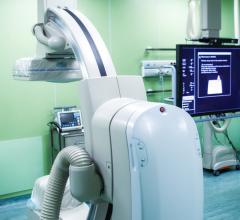
An ablation was performed to correct Rod’s irregular heartbeat and a defibrillator implanted that can restart his heart within ten seconds in case of cardiac arrest.
Today, Rod is back to living his life without fear, thanks to the specialists within Memorial Healthcare System. “Dr. Castillo’s diagnosis was correct and I attribute my life, and being here today, to he and his team,” said Rod.
“The doctors cared about my dad as if he were their own family member,” added Rebecca.
“What they did has allowed us to have a lot more years, a lot more vacations, a lot more memories.”
For more information: https://www.mhs.net/services/cardiac-vascular
 June 22, 2026