News | Heart Valve Technology | August 19, 2025

Study: Early Signs of Valve Failure One Year After TAVI Raises Durability Concerns in Younger Patients

A new study has identified early hemodynamic valve deterioration in more than 6% of patients just one year after undergoing transcatheter aortic valve implantation, raising new questions about valve durability in younger, lower-risk populations.

Study: Early Signs of Valve Failure One Year After TAVI Raises Durability Concerns in Younger Patients

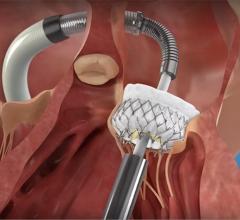
Aug. 18, 2025 — A new study published in The Annals of Thoracic Surgery, a journal from The Society of Thoracic Surgeons, has identified early hemodynamic valve deterioration (HVD) in more than 6% of patients just one year after undergoing transcatheter aortic valve implantation (TAVI), raising new questions about valve durability in younger, lower-risk populations.

The retrospective study, which analyzed 10 years of procedures from 2012 to 2022, evaluated 2,123 patients who had complete echocardiographic follow-up data. Researchers found that patients with 1-year HVD were more likely to be younger and have smaller aortic annuli than those without HVD. Importantly, smaller implanted valve sizes were significantly associated with the development of HVD, while larger valves appeared to be protective.

“As TAVI is increasingly used in younger and healthier patients, our findings suggest a need to carefully consider valve sizing and long-term durability,” said lead study author Eishan Ashwat, BS, a medical student at the University of Pittsburgh School of Medicine. “Early identification of hemodynamic deterioration may serve as a key predictor of future reintervention and patient outcomes.”

According to the study, patients with 1-year HVD had a five-year aortic valve reintervention rate nearly four times higher than those without HVD (2.3% vs. 0.6%). Prior surgical aortic valve replacement (AVR) was also independently associated with a higher risk of early HVD.

The findings underscore the importance of vigilant long-term follow-up and may influence future decision-making regarding valve selection, particularly in patients with smaller aortic anatomy or a history of AVR.

The study used the updated Valve Academic Research Consortium-3 (VARC-3) definitions to assess bioprosthetic valve function and structural deterioration.

Read the full article here. 


Source: Newswise


Related Content

News | Heart Valve Technology

Dec. 26, 2025 — Edwards Lifesciences has announced the company’s SAPIEN M3 mitral valve replacement system, a ...

Home December 24, 2025
Home
News | Heart Valve Technology

Nov. 17, 2025 — Royal Philips has introduced DeviceGuide, an AI-powered device tracking* solution that assists ...

Home November 17, 2025
Home
News | Heart Valve Technology | Cedars-Sinai Medical Center

Oct. 28, 2025 — People who underwent a minimally invasive procedure to have their heart’s aortic valve replaced had ...

Home October 29, 2025
Home
News | Heart Valve Technology

Aug. 28, 2025 — Medtronic plc has announced it received U.S. Food and Drug Administration (FDA) approval for the ...

Home August 29, 2025
Home
News | Heart Valve Technology

Aug. 4, 2025 — Corcym announced that its Perceval Plus sutureless aortic heart valve was used in a first-ever robotic ...

Home August 05, 2025
Home
News | Heart Valve Technology

July 10, 2025 — On July 2, 2025, Centers for Medicare & Medicaid Services (CMS) issued a National Coverage Determination ...

Home July 11, 2025
Home
News | Heart Valve Technology

June 27, 2025 – Foldax Inc., a leader in the development of innovative polymer heart valves, has announced compelling ...

Home June 27, 2025
Home
News | Heart Valve Technology

June 04, 2025 — HeartSciences Inc. has announced that the U.S. Food and Drug Administration has granted Breakthrough ...

Home June 12, 2025
Home
News | Heart Valve Technology

May 27, 2025 — Abbott has announced the U.S. Food and Drug Administration (FDA) has approved the company's Tendyne ...

Home May 28, 2025
Home
News | Heart Valve Technology

May 2, 2025 – New analysis from the EARLY TAVR trial showed patients between the age of 65 and 70 years old derived the ...

Home May 02, 2025
Home
Subscribe Now