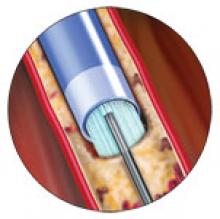
May 13, 2010 – An integrated, break-away hemostasis valve is integrated into a new lead delivery system is designed to minimize blood loss and allow for easier implantation. The U.S.

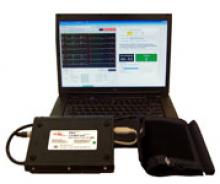
May 13, 2010 – A new simulation system to augment traditional procedural training for physicians on laser-assisted lead extraction procedures permits hands-on practice with extraction tools in a virtual environment. Spectranetics Corp. introduced its Laser Lead Extraction Simulation system at the Heart Rhythm Society’s (HRS) 31st Annual Scientific Sessions this week in Denver.

May 12, 2010 – The U.S. Food and Drug Administration (FDA) cleared the way for a clinical trial to evaluate the safety and effectiveness of the Misago self-expanding stent for use in the superficial femoral artery (SFA).

May 12, 2010 – The Japanese Ministry of Health, Labor and Welfare (MHLW) today cleared the AnalyST implantable cardioverter defibrillator (ICD) with ST-monitoring in Japan. The device continuously monitors ST segments as an early warning system for cardiac problems.

May 12, 2010 – A new feature of a magnetic navigation platform facilitates remote manipulation of diagnostic devices used during electrophysiology (EP) procedures. Stereotaxis Inc. is introducing the Vdrive this week at the Heart Rhythm Society annual meeting. The device enables the electrophysiologist to fully and remotely control diagnostic catheters and accessories.

May 12, 2010 – A paclitaxel-eluting coronary stent received CE mark approval for a specific indication to treat diabetic patients. The Taxus Element incorporates a platinum chromium alloy and a new stent design.

The Boston Scientific plans to launch the stent in June in the European Union and other CE mark countries.


A quiet revolution is going on in the world of patient risk stratification. It is becoming increasingly apparent that, while sudden cardiac death (SCD) manifests in the heart, it is triggered by the brain via the autonomic nervous system (ANS). Techniques taking this into account have the potential to be far more accurate and robust than other existing methods.


The importance of dealing with the epidemic of coronary artery disease (CAD) is well known, and the tools at our disposal to accurately recognize and manage it are evolving in very positive ways.


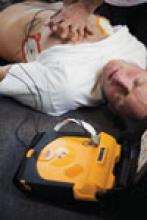
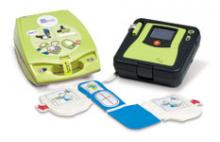
Early defibrillation is often referred to as the “critical link in the chain of survival,” according to the American Heart Association (AHA). But even in a hospital setting, the time from when a person suffers cardiac arrest to when they undergo defibrillation varies widely.


Atherectomy is a key treatment option in peripheral artery disease (PAD), and several physicians Diagnostic & Invasive Cardiology recently spoke with are fans of the laser over mechanical systems in most PAD cases. They say it is easier to use and eliminates the need for an embolic protection device, but it does have limitations when treating calcified lesions.


Subscribe Now