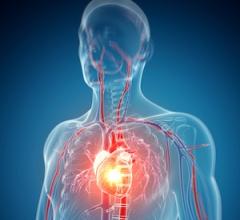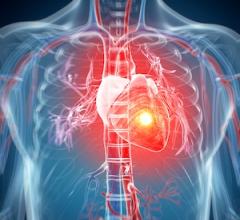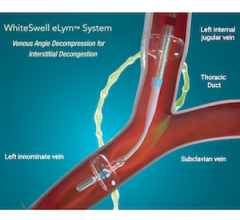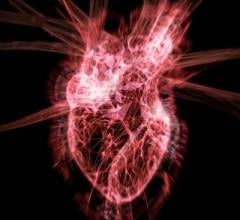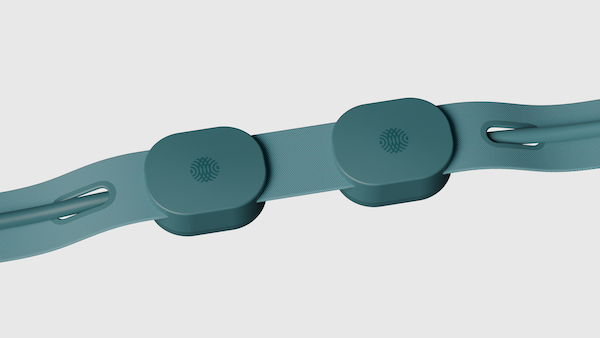
By continuously tracking real-time blood flow, clinicians can monitor disruptions in blood flow that signal a risk of congestive heart failure, Monitoring RTBF can provide a better understanding of how organs and tissue are functioning together second-by-second to spot trouble before damage sets in. (All photos: Openwater)
Four vital signs make up the traditional core of clinical diagnosis: heart rate, blood pressure, respiratory rate and temperature. Over the years, hundreds of years, these metrics have remained largely unchanged while technology and medical innovation have advanced rapidly.
More recently, experts have tried to incorporate new metrics into the vital signs roster, with blood oxygen saturation being the most widely-accepted addition. But despite this advancement and the explosion of new medical technology, we’re still missing a vital sign that more effectively captures overall health. The answer may lie in a metric that underpins all four traditional vital signs: blood flow itself.
Real-time blood flow (RTBF) is the continuous, instantaneous measurement of blood throughout the body. Unlike a typical blood pressure reading that measures a specific moment in time, RTBF captures the circulatory system’s performance second-by-second, even down to the microvasculature, the tiny capillaries that deliver oxygen to cells. It offers clinicians a dynamic view of the entire body’s function, including oxygen and nutrient delivery, cardiac performance, vascular responsiveness, and the presence of inflammation and disease.
Through noninvasive monitoring technologies, RTBF has the potential to provide unprecedented insight into the body’s health across major systems. It can detect and address complex, multi-system conditions while serving as an early warning system for disease at the microvascular level, unlocking new diagnostic and intervention possibilities that traditional vital signs cannot capture.
Monitoring the Body’s Logistics Network
Blood’s primary function is to deliver oxygen and nutrients to the body’s cells, making blood flow a critical indicator of organ and tissue health. RTBF can monitor whether blood flow is impaired (ischemia), which interrupts the supply of nutrients to the capillaries and blocks the removal of metabolic waste like carbon dioxide and lactic acid through the kidneys, liver and lungs.
When ischemia occurs, it can cause tissue death throughout the body or trigger a stroke in the brain. The danger for many patients is that preexisting nerve damage (such as from peripheral arterial disease) can mask a blockage’s effects. Tissue damage is often permanent if blood flow is not restored within several hours, with even less time for the brain. For at-risk patients, RTBF monitoring can detect these problems before they become irreversible, potentially saving lives and preventing permanent organ damage.
Detecting Chronic Cardiac Weakness
Because the heart is responsible for pumping blood throughout the body, RTBF serves as a direct measure of cardiac health. It can monitor disruptions in blood flow that signal a risk of congestive heart failure, which occurs when the heart becomes too weak to maintain adequate circulation. This causes pressure to build in the veins, eventually forcing fluid into vital organs like the lungs.
RTBF can also detect the warning signs of ischemic organ damage and cardiogenic shock, both caused by insufficient cardiac output. In ischemic organ damage, the heart cannot pump enough blood to vital organs like the kidneys, liver and digestive system, potentially leading to tissue death. Cardiogenic shock occurs when the heart suddenly becomes so weak it cannot meet the body’s basic oxygen demands, often preceded by a telltale stuttering pattern in blood flow that RTBF monitoring can detect.
Early Warning System for Disease
Diseases like diabetes and hypertension are often measurable first in the body’s microcirculation network, making RTBF a critical tool for early detection. These diseases damage the delicate inner lining of the blood vessels, impeding their ability to dilate and constrict, showing up on RTBF monitors as abnormal or sluggish blood flow.

RTBF also can detect downstream effects of systemic inflammatory conditions, including sepsis and Long COVID. These conditions alter blood components in ways that promote dangerous microclot formation, which can impair circulation even in small vessels. Early detection of these changes through RTBF monitoring could enable earlier intervention and better outcomes for patients with these challenging conditions.
Diagnostics and Disease Management
With its ability to capture the moment-to-moment performance of interconnected health systems, RTBF is poised to become the next vital sign for detecting disease onset and guiding treatment. Unlike traditional vital signs that measure isolated functions, RTBF provides a holistic view of the whole body’s health and can help pinpoint which systems, tissues or organs are compromised.
Multiple technologies are emerging to monitor RTBF, including cutting-edge wearable devices that use near-infrared light to measure blood flow, volume, micro-motion and oxygenation deep beneath the skin. These noninvasive wearables could transform healthcare delivery in two ways: amplifying the precision of existing clinical screenings and democratizing access to care through remote monitoring. For at-risk patients who need frequent monitoring, wearable RTBF devices can provide continuous oversight at home and alert them when medical intervention is truly necessary.
A Proactive Future
Where traditional vital signs are reactive, indicating whether a patient is healthy or already in distress, RTBF is proactive. It enables early detection of problems before they cause lasting damage and has the potential to reshape the way we approach markers of health. Rather than periodic snapshots, RTBF represents a shift toward a continuous, data-driven model of care that monitors the body’s baseline and deviations in real time.
As wearable RTBF technology becomes more accessible, the question isn't whether blood flow will join the roster of standard vital signs, it's how quickly we can integrate it into routine care to prevent disease and save lives.
 Aaron Timm is chief executive officer of Openwater. He has held executive leadership roles at digital health, medical device and medical imaging companies. Aaron has extensive experience navigating regulatory compliance, patent law and product-scale supply chain. In addition to chief executive roles at Synarc and WorldCare Clinical, Aaron has served as general counsel of both private and publicly traded companies. Aaron earned degrees from Georgetown University and Harvard Law School and is a member of the State Bar of California.
 September 11, 2026