Photo: Recor Medical
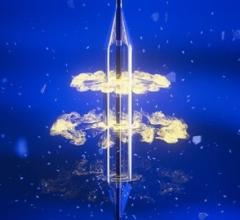
Oct. 30, 2025 — Recor Medical and its parent company, Otsuka Medical Devices presented the results from two clinical studies presented at the recent 2025 Transcatheter Cardiovascular Therapeutics (TCT) conference. Data from the Global Paradise System (GPS) Registry demonstrated a 19.6 mmHg reduction in office systolic blood pressure at six months with the Paradise Ultrasound Renal Denervation (uRDN) system; and the pooled analysis of data from the RADIANCE global clinical trial program showed a sustained reduction of 15.7 mmHg in office systolic blood pressure at 24 months. The Paradise uRDN system is a device-based adjunctive therapy for patients with uncontrolled and resistant hypertension whose blood pressure cannot be properly managed with lifestyle changes and medication.
19.6 mmHg BP Reduction in 6-Month Data from the GPS Registry: The GPS Registry is a real world, all comers, prospective and retrospective registry being conducted in nine countries outside of the United States, designed to assess the long-term safety and effectiveness of the Paradise uRDN system when used according to its labeling. Presented by Dr. Karl Fengler, Heart Center, Leipzig, the results included the first prospective analysis of data from 212 patients. Office systolic blood pressure at six months post-procedure was reduced by 19.6 mmHg and home systolic blood pressure was reduced by 14.4 mmHg compared to baseline (all p<0.0001). Procedure times, contrast volume, and fluoroscopy time were all reduced compared to the previous RADIANCE trials. This cohort of patients represents a higher risk profile and higher baseline blood pressures than previous RADIANCE studies. No safety concerns were observed.
15.7 mmHg BP Reduction in RADIANCE Pooled Analysis at Two Years: The RADIANCE Pooled Analysis includes data collected through 24 months follow-up from 243 patients randomized in the three studies from Recor’s RADIANCE Global Program: RADIANCE-HTN TRIO, which studied patients with resistant hypertension, and RADIANCE-HTN SOLO and RADIANCE II, which studied patients with mild-moderate hypertension. Presented by Ajay J. Kirtane, MD, Professor of Medicine at Columbia University, Irving Medical Center, data from a pooled cohort of patients from the RADIANCE trials showed a reduction of 15.7 mmHg in office systolic blood pressure at 24 months, demonstrating that the blood pressure reductions are sustained at the two-year follow-up. No safety concerns were observed.
“The growing body of real-world evidence continues to demonstrate the power of the Paradise uRDN system to meaningfully lower blood pressure in patients with uncontrolled and resistant hypertension,” said Lara Barghout, President and CEO of Recor Medical. “These results further strengthen the case for the Paradise uRDN system as a safe, durable, and effective treatment option and underscore the important and real impact this therapy can have on patients’ lives.”
“The magnitude of reduction demonstrated in the GPS Registry data and the sustained results shown in the RADIANCE pooled analysis are clinically meaningful,” said Helen Reeve-Stoffer, Chief Clinical Officer of Recor Medical. “The level of blood pressure reduction seen in the GPS Registry may translate into a marked decrease in cardiovascular risk for patients, and the data provide confidence for physicians in the continuity of the blood pressure reduction. The consistency of results observed across our clinical trials and real-world data reinforces the robust therapeutic value and safety of the Paradise uRDN system. We look forward to continuing to collect more real-world and long-term data.”
The Paradise uRDN system is currently commercially available for patients in the U.S. having received FDA approval in November 2023. The Paradise Ultrasound Renal Denervation system (Paradise system) is indicated to reduce blood pressure as an adjunctive treatment in hypertension patients in whom lifestyle modifications and antihypertensive medications do not adequately control blood pressure. Potential procedure-related adverse events including pain, vascular access site complications, and vasospasm are most common. Individual results may vary.
 August 31, 2026