Sept. 9, 2025 — The John Ritter Foundation for Aortic Health, a nonprofit dedicated to raising awareness, advancing research and providing education on thoracic aortic disease to prevent premature deaths, has released an updated Ritter Rules, a set of clear guidelines designed to promote early detection, empower patients, and improve outcomes. The Rules include the following guidance with actionable steps: Be your own advocate, access care, genetics and family, support and lifelong care, and follow up.

Named in honor of actor John Ritter, who died in 2003 from an aortic dissection, the updated Ritter Rules bring the latest science to the forefront. Grounded in the 2022 ACC/AHA Guideline for the Diagnosis and Management of Aortic Disease, the Ritter Rules provide clear, actionable steps for people affected by thoracic aortic aneurysms and dissections to take charge of their health.
Each year, up to 20,000 people1 in the U.S. experience this often-misdiagnosed medical emergency, which is frequently confused for a heart attack or stroke. The updated rules also spotlight best practices in early detection and living with thoracic aortic disease, equipping both clinicians and patients with knowledge that can improve and save lives.
“Too often, aortic disease isn’t recognized or addressed until it becomes a life-threatening emergency,” said Kim A. Eagle, M.D., M.A.C.C., Director of Frankel Cardiovascular Center at University of Michigan Health. “The updated Ritter Rules emphasize prevention, helping individuals understand their risk, take steps to protect their health, and live full lives. For clinicians, they are a starting point for providing comprehensive care rooted in evidence-based guidelines.”
“The latest rules reflect our ongoing commitment to saving lives through awareness and education,” said Meredith Ford O'Neal, CEO of The John Ritter Foundation for Aortic Health. “By equipping both doctors and families with clear, accessible guidance, we’re turning loss into action and preventing more families from experiencing the pain of losing someone too soon. With prompt diagnosis and treatment, up to 80% of patients could survive, underscoring the importance of awareness and early detection.”
The Ritter Rules have been endorsed by The John Ritter Foundation for Aortic Health’s Professional Advisory Board, which includes leading experts in cardiology, cardiovascular surgery, and genetics. While not a substitute for comprehensive medical guidelines, they serve as a critical, easy-to-use resource to manage aortic disease.
The John Ritter Foundation and Aortic Dissection
The John Ritter Foundation exists to spread awareness of aortic health and prevent unnecessary suffering through research, education, and advocacy. Every year, undiagnosed and misdiagnosed aortic dissections are responsible for a staggering number of tragically avoidable deaths. The John Ritter Foundation is committed to alleviating this unnecessary suffering caused by the devastating lack of aortic awareness.
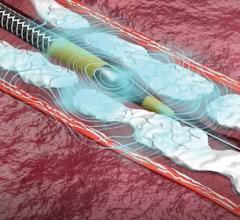
The aorta, the main artery that sends blood away from the heart to the rest of the body, is made up of three layers. An aortic dissection happens when the blood tears through the inner layer of the aorta and then starts to flow in the thick middle layer of the aorta, leading to blood flowing through the true lumen and a false lumen formed by the blood entering the wall. An aortic dissection is a medical emergency and can cause sudden death, but these deaths are preventable with early diagnosis and management. When left untreated, aortic dissection is fatal, with an estimated mortality rate of 40% that increases by 1% every hour.2 Up to 1 in 5 people with a thoracic aortic aneurysm or dissection have at least one family member with the same condition3, underscoring the urgent need for awareness, early detection, and family screening.
1 Howard DP, et al. Population-based study of incidence and outcome of acute aortic dissection and premorbid risk factor control: 10-year results from the Oxford Vascular Study. Circulation. 2013 May 21;127(20):2031-7. doi: 10.1161/CIRCULATIONAHA.112.000483. Epub 2013 Apr 18. PMID: 23599348; PMCID: PMC6016737.
2 Sayed A, et al. Aortic Dissection: A Review of the Pathophysiology, Management and Prospective Advances. Curr Cardiol Rev. 2021;17(4):e230421186875. doi: 10.2174/1573403X16666201014142930. PMID: 33059568; PMCID: PMC8762162.
3 Hannuksela M, et al. Screening for Familial Thoracic Aortic Aneurysms with Aortic Imaging Does Not Detect All Potential Carriers of the Disease. Aorta (Stamford). 2015 Feb 1;3(1):1-8. doi: 10.12945/j.aorta.2015.14-052. PMID: 26798750; PMCID: PMC4714932.

 August 28, 2026