Tiara transcatheter mitral valve replacement
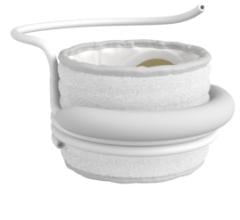
November 15, 2013 – Neovasc Inc. announced that the first patent covering the company's innovative Tiara transcatheter mitral valve replacement technology has been issued by the U.S. Patent and Trademark Office. The new patent protects key aspects of the Tiara mitral valve prosthesis. It is the first patent to issue from a portfolio of U.S. and international patent applications Neovasc has filed aimed at establishing an extensive intellectual property estate covering the entire Tiara program, including the prosthesis, delivery system, associated accessories and methods of use. Tiara is in development for the treatment of severe mitral valve disease.
"The issuance of this first patent in the Tiara portfolio represents a significant milestone for the company," said Alexei Marko, CEO of Neovasc. "With this key intellectual property protection now assured and the successful completion of the majority of our preclinical studies, Neovasc is advancing the Tiara development program according to plan. We are working with the highly respected medical teams at Vancouver's St. Paul's Hospital and the Antwerp Cardiovascular Center, ZNA Middelheim to plan the first-in-human Tiara trials, which we expect to get underway in 2014."
Tiara is a self-expanding bioprosthesis specifically designed to treat mitral valve regurgitation (MR), a serious and poorly served condition that requires development of highly specialized devices to address the complex mitral anatomy. Severe mitral regurgitation can lead to heart failure and death. Conventional surgical treatments are only appropriate for a small percentage of the millions of patients with MR, including an estimated four million in the United States alone.
Results from preclinical studies of Tiara were recently published in the journal JACC: Cardiovascular Interventions and presented at the 25th Annual Transcatheter Cardiovascular Therapeutics (TCT) scientific symposium.
U.S. Patent No. 8,579,964, "Transcatheter Mitral Valve Prosthesis," was issued by the U.S. Patent and Trademark Office on November 12, 2013.
For more information: www.neovasc.com

 September 25, 2026