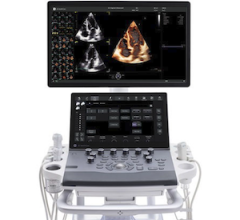
Graphic: UltraSight
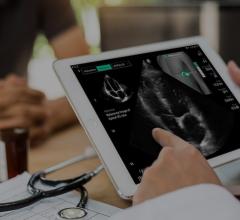
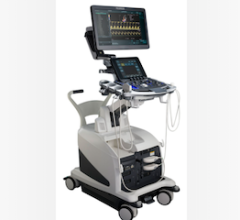
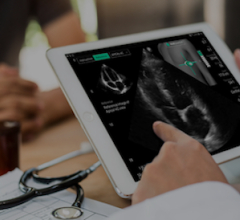
July 13, 2026 — UltraSight has announced new clinical data from a prospective, peer-reviewed clinical study evaluating the UltraSight Echosystem paired with Philips Lumify handheld ultrasound.
Published in European Heart Journal — Digital Health, the study found that students could acquire diagnostic-quality cardiac ultrasound images and that AI-guided interpretation could help identify left ventricular dysfunction.
In the primary study of 496 patients, students performed cardiac ultrasound scans after four hours of training using Philips Lumify paired with the UltraSight Echosystem. They completed scans in a median of four minutes, with adequate images obtained in 95% of cases where AI interpretation was used, and 97.4% of cases where there was expert analysis.
The study evaluated a two-step workflow combining AI-guided image acquisition, AI interpretation, and physician overread of abnormal or uninterpretable scans. Using this approach, only 15.1% of scans required expert review while maintaining high diagnostic performance for identifying left ventricular systolic dysfunction (LVEF <40%). The workflow achieved a negative predictive value of 99.8% and specificity of 95.4%, demonstrating the potential for AI-guided imaging to support expanded access to cardiac ultrasound while preserving physician oversight.
"Healthcare systems globally are facing increasing demand for cardiac imaging alongside persistent workforce and workflow challenges," said Andrew Goldsmith, MD, MBA, Medical Director of UltraSight. "This study demonstrates how AI-guided imaging with the addition of interpretation can help expand access to cardiac ultrasound by enabling more healthcare professionals to acquire diagnostic-quality images while preserving physician oversight and interpretation. The future is the ability to tell the whole story and not just acquisition or interpretation."
Access to Cardiac Ultrasound
"The study demonstrated the ability to acquire diagnostic-quality cardiac ultrasound images and assess left ventricular function using AI guidance within the study workflow," said Jared G. Bird, M.D., Cardiologist, Echocardiographer and co-author of the study at Mayo Clinic. "These findings contribute to the growing body of evidence evaluating how AI-guided imaging may support broader access to cardiac ultrasound."
Cardiovascular disease remains a leading cause of morbidity and mortality worldwide, yet access to timely cardiac imaging remains limited in many care settings. Technologies that support image acquisition by non-specialist providers may help expand access to earlier cardiac assessment and streamline clinical workflows.
The full study, including a complete list of authors, disclosures and funding, is available in European Heart Journal – Digital Health
 August 28, 2026