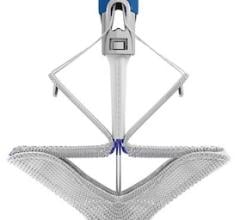

September 23, 2014 — In extended follow-up from the CoreValve U.S. Pivotal Trial, the self-expanding transcatheter aortic valve was shown to have low rates of all-cause mortality and major stroke. Findings were reported Sept. 13 at the 2014 Transcatheter Cardiovascular Therapeutics (TCT) scientific symposium.
Degenerative aortic stenosis is a progressive disease with a poor prognosis in the absence of surgical aortic valve replacement. For patients at extreme risk for surgical complications, transcatheter aortic valve technologies offer a less invasive option of therapy for aortic stenosis. Previous trials have shown that a self-expanding transcatheter aortic valve was associated with low rates of all-cause mortality and major stroke at one year, but the long-term effects of this device are unknown.
This was a prospective, non-randomized single-arm, multicenter trial to determine the safety and efficacy of self-expanding transcatheter aortic valve replacement (TAVR) at two-years in patients at extreme risk for surgery. The primary endpoint was a composite of all-cause mortality or major stroke rate at 12 months. Efficacy and safety outcomes at two years were also examined.
The study enrolled a total of 489 patients undergoing transfemoral self-expanding TAVR deemed to be at extreme risk for surgery. The one-year rate of all-cause mortality or major stroke was 26.0 percent (all-cause mortality, 24.3 percent; major stroke 4.3 percent). After two years, the rate of all-cause mortality or major stroke was 38 percent. Both one and two year rates of adverse outcomes compared favorably with historical performance criteria established among medically managed patients with aortic stenosis. Patients treated with the self-expanding TAVR device also reported improvement in NYHA classifications, durable improvement in hemodynamic valve performance, and low rates of moderate or severe aortic insufficiency.
“The first year results from the CoreValve US Pivotal Trial support the safety and efficacy of this therapy in patients unsuitable for surgical aortic valve replacement,” said lead investigator Steven Yakubov, M.D. Yakubov is medical director, OhioHealth Research Foundation at OhioHealth. “The two-year results confirm the improved survival benefit in these patients.”
The CoreValve U.S. Pivotal trial was funded by Medtronic. Yakubov reported no disclosures.
For more information: www.crf.org, www.tctconference.com
 November 05, 2026