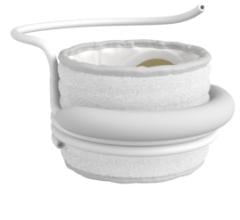
March 24, 2008 – Doctors implanted the first CryoValve SG pulmonary human heart valve in a patient at St. Louis Children’s Hospital in St. Louis, MO, a device used for patients who have undergone pulmonary valve replacement surgery at a young age and may require another pulmonary valve replacement in adulthood.
The CryoValve SG is processed with SynerGraft technology, which is said to remove allogeneic donor cells and cellular remnants from the valve without compromising the integrity of the underlying collagen matrix.
The CryoValve SG is indicated for the replacement of diseased, damaged, malformed or malfunctioning native pulmonary valves in pediatric and adult patients. The valve can be used in conjunction with right ventricular outflow tract reconstruction procedures (RVOT), commonly performed in children with congenital heart defects. In addition, the valve can be used for pulmonary valve replacement during the Ross Procedure, an operation in which a patient's defective aortic valve is removed and replaced with his own pulmonary valve. The CryoValve SG is then surgically implanted in place of the removed native pulmonary valve.
Charles Huddleston, M.D., chief of pediatric cardiothoracic surgery and professor of surgery at St. Louis Children's Hospital, performed the first CryoValve SG implant surgery since FDA clearance of the product in a patient who had undergone two previous allograft implants.
"The new technology provided by this SynerGraft processing was used in this patient in an effort to limit additional valve operations," said Dr. Huddleston. "We are very hopeful that this new valve will be a great thing for the patient and that the outcome with the CryoValve SG implant will last longer than the previous valve surgeries."
At the FDA’s request, CryoLife is planning a post-clearance study to seek evidence for the potential and implied long-term benefits of the SynerGraft process. Data to be collected is expected to include long-term safety and hemodynamic function, immune response and explant analysis. CryoLife believes that this information may help it ascertain whether the SynerGraft process reduces the immunogenicity or potential for rejection of the transplanted heart valve and whether the valve recellularizes with the recipients own cells.
For more information: www.cryolife.com

 September 25, 2026