June 10, 2009 - Interventional cardiac catheterization procedures are one of the most effective treatments for peripheral vascular disease (PVD), but the procedures are not an option for millions with PVD who also have kidney problems or allergies to the contrast dye used during the procedures.
As a possible new option for these patients, Tony Das, M.D., an interventional cardiologist at Texas Health Presbyterian Hospital Dallas, recently demonstrated a unique procedure that clears femoral artery blockages without the use of contrast dye or X-ray radiation.
"We're always looking for new and innovative ways to better care for patients with this debilitating condition," Dr. Das said. "This procedure could one day be something we offer people who are not suitable candidates for other interventional procedures."
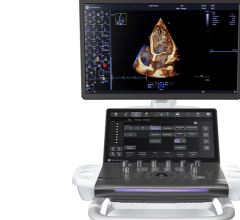
Called TUG (transcutaneous ultrasound guided vascular intervention), the procedure involves using an ultrasound device on top of the patient's skin to produce images of the arteries to navigate the guide wire and stent the artery.
"With the prevalence of diabetes and obesity among an already aging population, the challenges facing those involved in the diagnosis and treatment of peripheral vascular disease increase by the minute," Dr. Das said. "It's a problem that will increasingly challenge medical experts around the country in coming years."
PVD is a common condition affecting more than 10 million adults in the United States. The condition is a disease of blood vessels outside the heart and brain characterized by a narrowing of vessels that carry blood to the legs, arms, stomach and kidneys. The condition causes lower-leg tissue damage, non-healing wounds, blood clots and limb loss.
"Currently, PVD patients with kidney problems or allergies to contrast dye can only be treated with medications or open surgery, which carries a higher risk for complications," said Jon Gardner, administrative director of the heart and vascular service line at Texas Health Dallas. "Innovative new procedures like Dr. Das' technique could provide hope to these patients."
For more information: www.texashealth.org/

 August 28, 2026