April 14, 2011 – Varicose veins are more than just a cosmetic consideration—they can cause pain and discomfort. Treating enlarged leg veins can relieve these problems and prevent complications in the long run, explains Harvard Women’s Health Watch in its April 2011 issue.
Many women try self-help techniques for varicose veins without much success. Minimally invasive procedures, including injections, laser treatments and radiofrequency energy can help. Determining the best approach involves taking into account the size, type and location of varicose veins, notes Harvard Women’s Health Watch. Here are some of the approaches:
Sclerotherapy: A chemical irritant is injected into the vein, making it stick together and seal shut. It is slightly painful and may cause temporary swelling and bruising. Each vein typically must be injected one to three times. No anesthesia is required. Bandages and compression stockings are necessary for a week or two afterward.
Surface therapy (laser): Lasers emit a specific wavelength of light that heats and damages the vein without injuring nearby tissue. This treatment causes a strong pinching sensation. Numbing creams can lessen the sting. Other temporary side effects include bruising, itching, or swelling, and some women notice changes in skin color in the treated area. Compression stockings are needed for several days afterward.
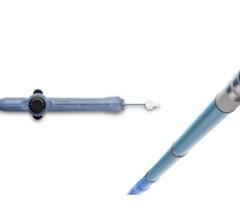
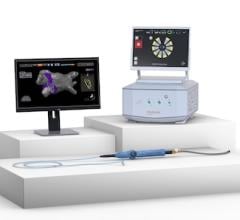
Internal therapy (laser or radiofrequency): These methods are used to treat deeper varicose veins. The troublesome vein is located with ultrasound, and a small catheter is inserted into the vein. The catheter emits either laser or radiofrequency energy, which shrinks and seals the vein. Swelling and pain can occur, and women who have been treated should wear compression stockings for at least two weeks.
Read the full-length article: “Minimally invasive treatments for bothersome leg veins”: http://www.health.harvard.edu/newsletters/Harvard_Womens_Health_Watch/2011/April/minimally-invasive-treatments-for-bothersome-leg-veins?utm_source=womens&utm_medium=pressrelease&utm_campaign=womens0411
 September 08, 2026