July 28, 2026 — Abbott has initiated the Treat TR study, a post-market study of the company’s TriClip transcatheter edge-to-edge repair (TEER) system that is designed for treating tricuspid regurgitation (TR), or a leaky tricuspid valve. The study is designed to evaluate the safety and performance of TriClip in a real-world setting and build on the body of clinical evidence that has established the system’s benefits for people with TR. The first enrollment in the Treat TR study occurred at Hospital Clínic de Barcelona in Spain, led by Xavier Freixa, M.D., and his cardiac team.
The prospective study will enroll approximately 1,000 people at up to 100 sites in the U.S., Canada and Europe. Patients will be followed for five years with check-ins at discharge, 30 days, six months and one year, and then once annually for the remaining four years. A select group of patients also will be enrolled in a sub-study to evaluate the potential for the TriClip system to reverse cardiac remodeling, which are changes in the structure of the heart that occur when it is injured or subjected to chronic overload.
“Prior to TriClip’s availability, many patients with tricuspid regurgitation had few treatment options because medical therapy didn’t relieve their symptoms or they were at an increased risk for conventional open-heart surgery,” said Anita Asgar, M.D., section head of interventional cardiology and medical director for the Bluhm Cardiovascular Institute, Structural Heart Program at Northwestern Medicine in Chicago, Ill. and co-principal investigator of the TREAT TR study. “Through multiple clinical studies and in working directly with patients, we’ve seen that TriClip can have a profound impact on the lives of people with TR, and we’re excited to see additional evidence to support this minimally invasive device.”
Treating Tricuspid Regurgitation
The tricuspid valve controls blood as it flows from the heart’s right atrium to the right ventricle. TR occurs when the valve doesn’t close properly, causing a leak and allowing blood to flow backward through the valve. TR can force the heart to work harder, leading to debilitating symptoms such as fatigue and shortness of breath. When left untreated, TR can lead to atrial fibrillation, heart failure and ultimately, death. TriClip represents an option that can improve quality of life for people who continue to have symptoms of persistent TR despite medical intervention and are not considered good candidates for surgery.
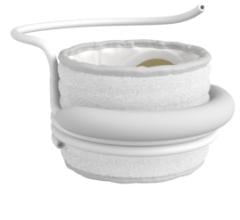
TriClip’s TEER technology is delivered through a vein in the leg, allowing people to avoid open-heart surgery. It works by clipping together leaflets – or flaps of tissue – to repair the tricuspid valve, helping restore proper blood flow. On average, people who receive TriClip only need one day in the hospital after the procedure before they can return home.
Benefits
TriClip’s benefits have been evaluated in several studies, including the Triluminate Pivotal trial, which showed the system safely and effectively reduced TR and heart failure hospitalization while improving quality of life. The study supported U.S. Food and Drug Administration (FDA) approval of the system.
Additional real-world data evaluating the TriClip system were presented in June 2026 at the New York Valves conference. The study, which included 3,035 patients from the Society of Thoracic Surgeons/American College of Cardiology Transcatheter Valve Therapy Registry across 278 U.S. sites, demonstrated outcomes consistent with the Triluminate Pivotal trial with patients achieving significant reduction in TR while improving their quality of life.


 July 02, 2026