
More than 10 percent of patients treated with aspirin therapy for primary cardiovascular disease prevention were likely inappropriately prescribed medication, according to a new study in the Journal of the American College of Cardiology that examined practice variations in aspirin therapy.
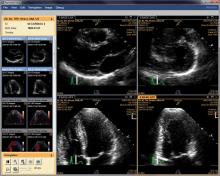


According to a new report by iData Research, ultrasound equipment providers in the United States are likely to see stable, reliable growth in the coming years. Already a billion-dollar industry in the U.S., the ultrasound imaging equipment market is projected to pass the $2 billion mark by 2020.


University Hospitals (UH) Case Medical is now offering a new, non-invasive test for coronary artery disease designed to help physicians develop the right treatment plan for each patient. Developed by HeartFlow Inc., computed tomography-fractional flow reserve (CT-FFR) is a non-invasive imaging technology specifically designed to offer insight on both the extent of the blockage, as well as whether it is impacting blood flow to the heart. UH Case Medical Center’s Daniel Simon, M.D., will be first to use the CT-FFR test in the United States.

Our daily diet may help lower bad cholesterol, in turn reducing risk for heart disease, according to health researchers in the Jan. 7 edition of the Journal of the American Heart Association. Avocados are known to be a nutrient-dense food, high in monounsaturated fatty acids. Previous studies have suggested that avocados are a cholesterol-lowering food, but this is the first study — to the researchers' knowledge — to look at health implications of avocados beyond monounsaturated fatty acids.

Ambry Genetics announces the launch of cardiovascular genetic testing panels for inherited cardiomyopathies and arrhythmias. These feature an intuitive, tiered approach to testing for hypertrophic cardiomyopathy, long QT syndrome and Brugada syndrome.

Subscribe Now
