
An analysis of data from an international multicenter study of coronary computed tomography angiography (CCTA) reveals that men and women with mild coronary artery disease (CAD) and similar cardiovascular risk profiles share similar prognoses.

With the benefits of conventional strategies for therapeutic hypothermia following cardiac arrest being called in to question following the publication of two new studies, brain protection specialist BeneChill has restated its conviction that early, targeted brain cooling is the key to improved neurological outcome and survival for the estimated 700,000 people in Europe who annually suffer cardiac arrest.


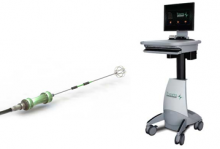
Topera Inc. shared the results of an independent evaluation of its diagnostic system’s ability to improve atrial fibrillation (AF) outcomes by identifying of the sources that sustain complex cardiac arrhythmias.


Boston Scientific Corporation has received U.S. Food and Drug Administration (FDA) approval for the Promus Premier Everolimus-Eluting Platinum Chromium Coronary Stent System, the company's durable polymer drug-eluting stent (DES).

 A new study reports that individuals who underwent embolization of the left gastric artery for gastrointestinal bleeding experienced a 7.9 percent decrease in body weight three months after the procedure. Results of the study, which offer a potential new avenue for obesity research, will be presented next week at the annual meeting of the Radiological Society of North America (RSNA).

On Oct. 1, Bayshore Community Hospital received approval from the Department of Health as a Primary Percutaneous Coronary Intervention (PCI) hospital to provide emergency angioplasty procedures on patients suffering from a heart attack.


Siemens Healthcare introduced Somatom Force, the company’s next-generation Dual Source computed tomography (CT) system at the Radiological Society of North America Annual Meeting (RSNA 2013) in Chicago.


Using a stroke rehabilitation device that converts an individual's thoughts to electrical impulses to move upper extremities, stroke patients reported improvements in their motor function and ability to perform everyday activities. Results of the study were presented at the Radiological Society of North America Annual Meeting (RSNA 2013).

Healthy adults who consumed energy drinks high in caffeine and taurine had significantly increased heart contraction rates one hour later, according to a study presented at the the Radiological Society of North America Annual Meeting (RSNA 2013).

Subscribe Now
