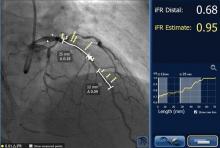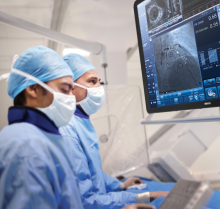
The rise cardiovascular disease has been instrumental in fueling the coronary stent market share in the past few years. Sedentary lifestyle and a drastic change in dietary patterns have led to a surge in heart-related disorders across the globe. The demand for coronary stents has been increasing, which has encouraged medical devices and equipment manufacturers to focus on creating affordable and sustainable products to garner a competitive edge over rivals.

Society for Vascular Medicine (SVM)


Interventional cardiac resynchronization therapy (I-CRT) describes the repurposing of a set of tools and techniques originally developed and employed by interventional cardiologists and radiologists that are now being used for coronary sinus (CS) cannulation and left ventricular (LV) lead implantation.


Meat-free athletes have already proven the performance-boosting power of a plant-based diet. Now, “Plant-Based Diets for Cardiovascular Safety and Performance in Endurance Sports,” a new scientific review published in the journal Nutrients1 adds further evidence that plant-based athletes benefit from improvements in heart health, performance and recovery.

Abbott announced U.S. Food and Drug Administration (FDA) approval of the TactiCath Contact Force Ablation Catheter, Sensor Enabled, a new ablation catheter designed to help physicians accurately and effectively treat atrial fibrillation (AFib). The approval further expands Abbott's portfolio of cardiac ablation tools that integrate with the company's EnSite Precision cardiac mapping system to help physicians develop more precise images of the heart during cardiac ablation procedures.


Many of the latest advances in cardiovascular imaging technologies are unveiled each year at the Radiological Society of North America (RSNA) meeting. This is the world's largest radiology conference, held each year in Chicago the week after Thanksgiving in November. At RSNA 2018, there were several new innovations in cardiac imaging released.


Philips announced the launch of Azurion with FlexArm, designed to enhance positioning flexibility for image-guided procedures.

Subscribe Now