The first-in-human trial of a new miniaturized leadless pacemaker implanted directly inside the heart found the Medtronic Micra transcatheter pacing system (TPS) safe and effective in patients with a slow heart rhythm. Early performance results from the international Micra Transcatheter Pacing Study were presented at Heart Rhythm 2015, the Heart Rhythm Society’s 36th annual scientific sessions, May 13-16 in Boston.


Kalorama Information expects the nearly 25 billion-dollar market for electronic medical records (EMR) to grow well past the period where there are incentives for U.S. healthcare providers, according to a recent report. The healthcare market research publisher said penalties, system upgrades, international sales and continued efficiency improvements will grow the market 7-8 percent each year for the next five years. The market for EMR systems continues to increase as more physicians and hospitals use EMR and acquire EMR systems, and as hospitals and physician groups upgrade existing systems.


Adding the HeartFlow FFRCT Analysis to a standard coronary computed tomography angiogram (cCTA) may change the course of treatment in more than one-third of patients with coronary artery disease. This conclusion was discussed in a study presented at the EuroPCR 2015 conference.


A study presented at Heart Rhythm 2015 found that botulinum toxin (botox) injections into epicardial fat pads during coronary artery bypass graft (CABG) surgery can be beneficial for the patient. The injection not only reduces the incidence of post-operative atrial fibrillation (AF), but also provides substantial AF suppression after one year.


New data from St. Jude Medical found that patients with cardiac devices who use remote monitoring have significantly fewer hospitalizations and lower overall healthcare costs than patients who do not. The data was presented during a late-breaking clinical trial session during Heart Rhythm 2015, the Heart Rhythm Society’s annual scientific sessions. The findings were a result of a five-year study, one of the largest to date on remote monitoring technologies.

Chest pain sends more than 7 million Americans to the emergency department each year. About half of them are admitted to the hospital for further observation, testing or treatment. Now, emergency medicine physicians at The Ohio State University Wexner Medical Center and Mount Carmel Health System believe that number can be significantly reduced.

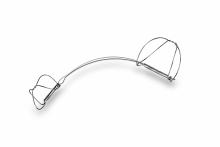
A new epicardial pacing lead has been cleared by the U.S. Food and Drug Adminitysration (FDA) as an option for the implant of a pacemaker, defibrillator, or cardiac resynchronization therapy (CRT) device. The lead is indicated when other types of leads cannot be implanted. Examples include patients who have small veins, congenital heart disease, abnormalities of the tricuspid valve or when other leads are already in place, preventing additional leads in the veins.

Subscribe Now