
Technology
MAQUET Cardiovascular launched HEARTSTRING III Proximal Seal System for coronary artery bypass surgery procedures, a ...
 September 03, 2008
Technology
Thinking Systems is showcasing its Thinking PACS Cardiology at ASNC 2008. Thinking PACS Cardiology received top ratings ...
September 03, 2008Technology
Philips’ BrightView XCT, reportedly the first time a flat panel X-ray detector will be used for CT imaging in nuclear ...
September 03, 2008Sponsored Content

Feature | Nuclear Imaging
Cardiac PET/CT represents a major advancement in cardiovascular diagnostics, offering significant clinical and ...
November 12, 2025Feature | Venkat Rajan, medical research analyst, Frost & Sullivan
This comparison chart features three categories of stents: coronary, carotid and peripheral. We gratefully acknowledge ...
September 03, 2008Technology
The FDA has cleared Medtronic’s Attain StarFix OTW (over-the-wire) lead (Model 4195), an active fixation left-heart lead for cardiac resynchronization therapy (CRT).
September 03, 2008Technology
The Xcelera R2.2 upgrade is a new version of the Xcelera multimodality cardiology image management, analysis and reporting solution, designed to offer enhanced functionality and greater workflow efficiency.
September 03, 2008Sponsored Content
Feature
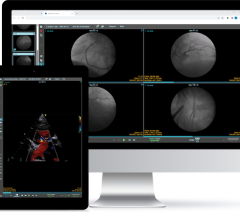
SPONSORED CONTENT — Studycast is a comprehensive imaging workflow system that allows healthcare professionals to work ...
June 17, 2025Technology
he Powerheart AED G3 is designed with Rescue Ready technology that self-checks all main components daily. The device ...
September 03, 2008News
September 3, 2008 - Endologix Inc. yesterday said six-year patient follow-up data from the company’s Powerlink System ...
September 03, 2008
Feature | Nick Obradovich
The process of the coronary CT angiography (CTA) becoming the preferred imaging modality is akin to the process of obtaining a pilot’s license.
September 03, 2008Sponsored Content

Feature | Information Technology
Providing exceptional cardiovascular care for patients to achieve the best possible outcomes is the number one goal for ...
March 21, 2024Technology
Boston Scientific launched its Atlantis 018 Peripheral Imaging Catheter, which reportedly brings existing 40MHz coronary ...
September 03, 2008Technology
The FDA has approved the LipiScan Coronary Imaging System, an angiography laser scanner by InfraReDx Inc., which is intended to characterize fatty deposits in coronary vessel walls using near infrared diffuse spectroscopy.
September 03, 2008Technology
The recently FDA-approved COGNIS CRT-D and the TELIGEN ICD from Boston Scientific are among the smallest and thinnest high-energy devices at 32.5 cc and 31.5 cc respectively, while less than 10 mm thick. Both devices offer extended battery longevity over previous company devices, self-correcting software and improved programming technology.
September 03, 2008Sponsored Content

Feature | Cardiac Imaging
Cardiac positron emission tomography (PET) is growing in popularity among cardiologists because it provides the ability ...
March 05, 2024News
September 4, 2008 – St. Elizabeth, in Cincinnati, OH, which serves more than 300 stroke patients annually, is the first ...
September 03, 2008
Feature | Dave Fornell
The use of embolic protection devices (EPD) during percutaneous cardiac procedures has helped reduce the number of complications due to debris being released into the bloodstream and causing blockages in smaller vessels. The devices are designed to capture and remove debris that may be dislodged during procedures. There are three classes of EPD devices:
September 03, 2008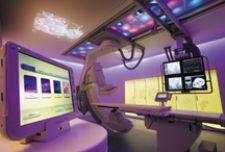
Feature | Cristen Bolan
In as much as the environment in which you live can affect your quality of life, so can the environment in which someone receives medical care affect patient outcome – at least in theory.
September 03, 2008