
News
September 2, 2008 - GE Healthcare launched a new ultrasound system for radiology and vascular applications that fuses ...
 September 04, 2008
News
September 5, 2008 - Pathway Medical Technologies Inc., today received FDA clearance to market Jetstream, a peripheral atherectomy catheter designed for use in the treatment of peripheral artery disease (PAD) in the lower limbs.
September 04, 2008Technology
Cardiac Science launched its HeartCentrix 6.2 data management product for the physician office to connect Burdick and ...
September 04, 2008Sponsored Content

Feature | Nuclear Imaging
Cardiac PET/CT represents a major advancement in cardiovascular diagnostics, offering significant clinical and ...
November 12, 2025News
September 5, 2008 - Boston’s Brigham & Women’s (B&W) Hospital, a 777-bed teaching affiliate of Harvard Medical School ...
September 04, 2008News
September 3, 2008 - CardioNet Inc. said today Humana upgraded the CardioNet System to a “covered benefit” status, from ...
September 03, 2008Feature | Venkat Rajan, medical research analyst, Frost & Sullivan
This comparison chart features three categories of stents: coronary, carotid and peripheral. We gratefully acknowledge ...
September 03, 2008Sponsored Content
Feature
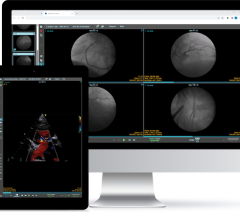
SPONSORED CONTENT — Studycast is a comprehensive imaging workflow system that allows healthcare professionals to work ...
June 17, 2025Technology
The FDA recently cleared Boston Scientific Corp.’s PROMUS Everolimus-Eluting Coronary Stent System and Abbott Vascular’s ...
September 03, 2008Technology
AngioScore Inc. has introduced longer and larger AngioSculpt PTA Scoring Balloon Catheters for the treatment of peripheral artery disease (PAD).
September 03, 2008Technology
The R Series defibrillator for hospitals aims for simplicity and operational readiness to help improve in-hospital ...
September 03, 2008Sponsored Content

Feature | Information Technology
Providing exceptional cardiovascular care for patients to achieve the best possible outcomes is the number one goal for ...
March 21, 2024News
September 3, 2008 – Research published this week in the New England Journal of Medicine said patients with heart failure in whom an ICD is implanted and receive shocks for any arrhythmia have a substantially higher risk of death than similar patients who do not receive such shocks.
September 03, 2008
Feature | Nick Obradovich
The process of the coronary CT angiography (CTA) becoming the preferred imaging modality is akin to the process of obtaining a pilot’s license.
September 03, 2008Technology
Vascular Solutions Inc. recently launched the Axis Wire, a 0.035-inch specialty guidewire that combines an extra stiff ...
September 03, 2008Sponsored Content

Feature | Cardiac Imaging
Cardiac positron emission tomography (PET) is growing in popularity among cardiologists because it provides the ability ...
March 05, 2024Technology
InTouch Technologies Inc. launched StrokeRESPOND, to extend the functionality of its Remote Presence robotic technology ...
September 03, 2008Technology
Philips’ HeartStart MRx Monitor/Defibrillator features Q-CPR, which reportedly integrates into a monitor/defibrillator ...
September 03, 2008
Feature | Dave Fornell
The use of embolic protection devices (EPD) during percutaneous cardiac procedures has helped reduce the number of complications due to debris being released into the bloodstream and causing blockages in smaller vessels. The devices are designed to capture and remove debris that may be dislodged during procedures. There are three classes of EPD devices:
September 03, 2008