
News
October 23, 2008 - Stereotaxis Inc. is now commercially selling its Odyssey Cinema system, a data management solution ...
 October 22, 2008
News
October 22, 2008 - Cook Medical today launched its Advance 18LP Balloon Dilatation Catheter, which has a low crossing ...
October 21, 2008Feature | Chris Sorensen, Dickson Company
Whether you are in a hectic ER, ICU, OR, cardiology or other diagnostic department, or overseeing an outpatient clinic, steps always need to be taken to ensure that critical storage requirements for drugs are met. Protocols usually exist for a daily check and logging of refrigerator or freezer storage area temperatures by nursing staff.
October 21, 2008Sponsored Content

Feature | Cardiac Imaging
Sponsored Content — According to the American Heart Association, cardiovascular disease is the leading cause of death in ...
March 13, 2026News
October 22, 2008 - Royal Philips Electronics this week signed a new memorandum of understanding (MOU) for a five-year research collaboration with King’s College London to develop new medical imaging research projects with a particular focus on cardiology and cardiac electrophysiology.
October 21, 2008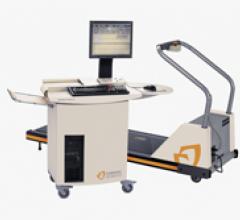
Technology
October 22, 2008 - Cardiac Science launched the new Quinton Q-Stress 4.0, the ninth generation of its diagnostic stress testing technology widely known for dependability and clinical accuracy.
October 21, 2008News
October 22, 2008 - Cardiac Science announced today the launch of the new Quinton Q-Stress 4.0, the ninth generation of ...
October 21, 2008Sponsored Content

Feature | Nuclear Imaging
Cardiac PET/CT represents a major advancement in cardiovascular diagnostics, offering significant clinical and ...
November 12, 2025News
October 21, 2008 - MIV Therapeutics Inc., a developer of coatings and drug-delivery systems for cardiovascular stents ...
October 20, 2008News
October 21, 2008 - Terumo Heart Inc. said today five patients have received the DuraHeart Left Ventricular Assist System ...
October 20, 2008News
October 21, 2008 - Cardiac Science this week launched Quinton Q-Tel RMS 3.1, a new and simpler electronic reporting ...
October 20, 2008Sponsored Content
Feature
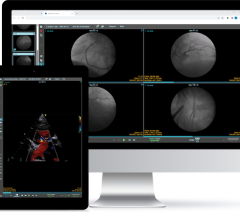
SPONSORED CONTENT — Studycast is a comprehensive imaging workflow system that allows healthcare professionals to work ...
June 17, 2025News
October 21, 2008 - Cardium Therapeutics and its operating unit InnerCool Therapies Inc. said the FDA gave 510(k) ...
October 20, 2008Feature | Dave Fornell
The stent wars continued at the Transcatheter Cardiovascular Therapeutics 2008 20th annual symposium last week with ...
October 20, 2008Technology
The Cordis Aquatrack Hydrophilic Guide Wire is designed to facilitate access to the most tortuous anatomy.
October 19, 2008Sponsored Content

Feature | Information Technology
Providing exceptional cardiovascular care for patients to achieve the best possible outcomes is the number one goal for ...
March 21, 2024News
October 20, 2008 – At TCT last week Abbott announced two-year data from 30 patients in its ABSORB clinical trial, demonstrating its bioabsorbable drug eluting stent successfully treated coronary artery disease and was absorbed into the walls of treated arteries within two years, leaving behind blood vessels that appeared to move and function similar to unstented arteries.
October 19, 2008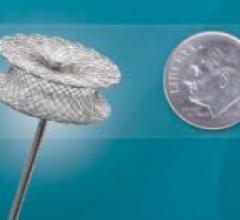
Technology
At TCT 2008 AGA Medical Corp. highlighted its self-expanding AMPLATZER Muscular VSD Occluder for complex ventricular septal defect (VSD) repair in patients considered to be high-risk for standard transatrial or transarterial surgical repair.
October 19, 2008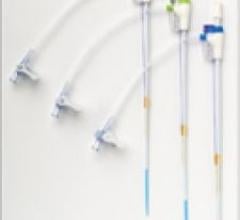
Technology
Morris Innovative offers the FISH (Femoral Introducer Sheath and Hemostasis) Device that combines one sheath as both an introducer and closure device.
October 19, 2008