
News
September 4, 2008 – St. Elizabeth, in Cincinnati, OH, which serves more than 300 stroke patients annually, is the first ...
 September 03, 2008

Feature | Dave Fornell
The use of embolic protection devices (EPD) during percutaneous cardiac procedures has helped reduce the number of complications due to debris being released into the bloodstream and causing blockages in smaller vessels. The devices are designed to capture and remove debris that may be dislodged during procedures. There are three classes of EPD devices:
September 03, 2008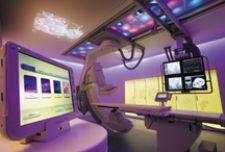
Feature | Cristen Bolan
In as much as the environment in which you live can affect your quality of life, so can the environment in which someone receives medical care affect patient outcome – at least in theory.
September 03, 2008Sponsored Content

Feature | Nuclear Imaging
Cardiac PET/CT represents a major advancement in cardiovascular diagnostics, offering significant clinical and ...
November 12, 2025Technology
Vascular Solutions Inc. recently launched the Axis Wire, a 0.035-inch specialty guidewire that combines an extra stiff ...
September 03, 2008Technology
InTouch Technologies Inc. launched StrokeRESPOND, to extend the functionality of its Remote Presence robotic technology ...
September 03, 2008Technology
Philips’ HeartStart MRx Monitor/Defibrillator features Q-CPR, which reportedly integrates into a monitor/defibrillator ...
September 03, 2008Sponsored Content
Feature
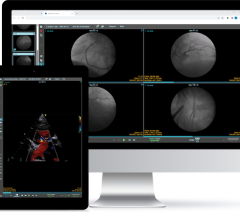
SPONSORED CONTENT — Studycast is a comprehensive imaging workflow system that allows healthcare professionals to work ...
June 17, 2025News
September 3, 2008 - CardioNet Inc. said today Humana upgraded the CardioNet System to a “covered benefit” status, from ...
September 03, 2008
Feature | Nuclear Imaging | Dave Fornell
If the case went to court for whether positron emission tomography (PET) or single, photon emission computed tomography (SPECT) is better suited for myocardial perfusion imaging, experts say the current technology and developments on the horizon would result in a hung jury.
September 03, 2008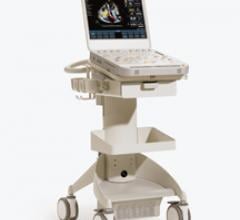
Technology
Philips Healthcare has developed a hand-carried ultrasound with reportedly advanced imaging quality. The CX50 CompactXtreme was released in 2009. Primarily designed for echocardiography, the CX50 was designed with many of the same features of the iE33 echocardiography system, providing clinicians a portable ultrasound that can be used for diagnosis.
September 03, 2008Sponsored Content

Feature | Information Technology
Providing exceptional cardiovascular care for patients to achieve the best possible outcomes is the number one goal for ...
March 21, 2024Technology
MAQUET Cardiovascular launched HEARTSTRING III Proximal Seal System for coronary artery bypass surgery procedures, a ...
September 03, 2008Technology
Thinking Systems is showcasing its Thinking PACS Cardiology at ASNC 2008. Thinking PACS Cardiology received top ratings ...
September 03, 2008Technology
Philips’ BrightView XCT, reportedly the first time a flat panel X-ray detector will be used for CT imaging in nuclear ...
September 03, 2008Sponsored Content

Feature | Cardiac Imaging
Cardiac positron emission tomography (PET) is growing in popularity among cardiologists because it provides the ability ...
March 05, 2024News
September 3, 2008 – Research published this week in the New England Journal of Medicine said patients with heart failure in whom an ICD is implanted and receive shocks for any arrhythmia have a substantially higher risk of death than similar patients who do not receive such shocks.
September 03, 2008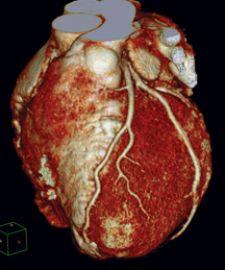
Feature | Maureen Leahy-Patano
The landscape of cardiovascular care is changing. In the cath lab alone, the shift in volume and type of diagnostic and interventional procedures has broadened the lab’s scope, increased demand and raised expectations.
September 03, 2008Technology
The FDA has cleared Medtronic’s Attain StarFix OTW (over-the-wire) lead (Model 4195), an active fixation left-heart lead for cardiac resynchronization therapy (CRT).
September 03, 2008