Atrial fibrillation (AFib) is one of the most common heart rhythm disorders, but researchers still don’t have a reliable way to predict who will develop it or when. Unlike conditions such as coronary disease, where biomarkers like high cholesterol provide early warning signs and treatment options, AFib lacks a definitive predictor.
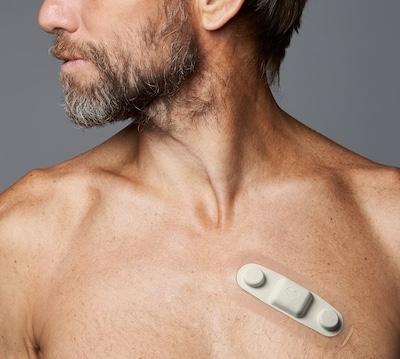
Clinicians typically diagnose AFib only after it has developed, which limits opportunities for early intervention. To change that, a multi-year study is working to identify biomarkers and behavioral patterns that signal increased risk before symptoms appear. The team is collecting data from multiple sources, including continuous ECG monitoring with Vivalink’s wearable patch, blood samples and other health metrics, to spot patterns that could help predict who will develop AFib.
While digital technology gives researchers access to continuous and more complete data, it also allows them to adjust the study as it unfolds, which is not typically possible in traditional research. Instead of waiting until the end to analyze results, the team can refine methods, add new study arms, and follow emerging patterns in real time. This level of flexibility is helping researchers explore AFib in ways that weren’t feasible before.
Continuous Digital Monitoring in AFib Research
Traditional AFib studies have often relied on intermittent monitoring methods, such as in-clinic ECGs or short-term Holter monitors. These tools provide only brief snapshots of heart activity, which can easily miss AFib episodes, especially when the condition occurs suddenly and unpredictably.
As noted in a study published by the American Heart Association, these gaps in data can limit the ability to detect and study AFib effectively. Without continuous monitoring, researchers must wait for participants to experience an episode before analyzing patterns, making studies long and resource-intensive.
In this study, participants wear the ECG patch for a week every quarter, giving researchers a steady stream of data instead of occasional snapshots. Continuous monitoring helps the team catch irregularities as they happen and offers a clearer view of how AFib develops over time. The patch is easy to use and integrates with the study’s digital platform, making data collection more straightforward for both participants and researchers.
Without this technology, the study would be more costly and difficult to manage. Mailing out multiple disposable patches every year wouldn’t be practical. Instead, the reusable patch keeps costs down and allows researchers to collect more reliable data without requiring frequent clinic visits. Digital tools like this are changing how AFib research is conducted and making large-scale, long-term studies more feasible and effective.
Adjusting Studies in Real-Time
The flexibility of digital tools has already shaped the AFib study in several ways. Early data suggested that people with frequent premature atrial contractions (PACs) might face a higher risk of developing AFib. Although PACs weren’t the original focus, researchers added a subgroup with high PAC frequency to understand whether PACs trigger AFib and, if so, how.
Another shift came from findings related to CHIP (clonal hematopoiesis of indeterminate potential), a genetic mutation linked to inflammation and cardiovascular risk. Researchers discovered that people with CHIP may also be at higher risk for AFib. In response, they added a new study arm to analyze existing blood samples for CHIP mutations and track whether those participants develop AFib. This adjustment, made mid-study, allows researchers to explore a potential genetic link to AFib without starting a separate study from scratch.
The same flexibility supported the launch of a parallel study focused on high-risk pregnant patients, which is another group thought to have increased susceptibility to irregular heart rhythms, especially in the presence of preeclampsia or gestational diabetes. Using the same Vivalink patch and research platform, researchers began monitoring participants during their final trimester and the first month postpartum. Adding this arm required less logistical overhead than starting a new study due to the existing digital framework.
The Future of Digital Research
While the study is still ongoing, it has already revealed a few important lessons. For example, participant support is necessary, especially for older adults. Even with user-friendly technology, having research coordinators available to help with setup and troubleshooting makes a meaningful difference. For participants 65 and older, direct support builds confidence in using digital tools, which improves data quality and retention.
The research team also found that smartphone-integrated research platforms make large remote studies more practical. By combining wearable devices with digital platforms, researchers can collect continuous data from a large, geographically diverse group without requiring frequent clinic visits. This setup has made it possible to conduct a long-term study with hundreds of participants, which would have been far more complex and expensive using traditional methods.
Looking ahead, studies like this are shaping the future of clinical research. While digital tools are making studies more efficient, they’re also creating an environment for real-time clinical research that could lead to earlier disease detection and better-targeted treatments. As technology continues to evolve, these methods will likely become the standard for large-scale and long-term health studies.

Dr. Jeffrey Olgin is a cardiologist with particular expertise in electrophysiology, the study of the heart's electrical activity. A professor of cardiology, he serves as UCSF's chief of cardiology and co-directs the Heart and Vascular Center. A specialist in arrhythmias, he has developed techniques to treat irregular heartbeats and has a special interest in atrial fibrillation, often called AFib. Olgin earned his medical degree at the University of Pennsylvania Perelman School of Medicine.

 March 04, 2026