January 23, 2014 — The three most common systems to place stents in blocked carotid arteries of the neck have similarly low rates of complication and death among U.S. patients, according to a study published by JACC: Cardiovascular Interventions.
“We found low rates of in-hospital death and stroke with carotid stenting regardless of the devices used on the order of 2 percent,” said lead author Jay Giri, M.D., M.P.H., assistant professor of clinical medicine at the University of Pennsylvania. “A tremendous amount of time and energy has been spent theorizing about various technical considerations of carotid stenting systems that might make one superior to another. Our study effectively argues that continued focus on these specific technical aspects is unlikely to significantly improve stroke and death rates around carotid stenting. The bottom line is that our finding should provide support for operators to use their judgment to select the stent most favorable for a particular anatomic or clinical situation.”
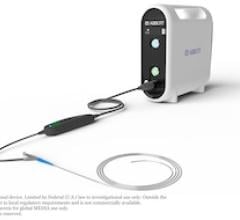
The study analyzed 12,135 consecutive carotid stent procedures in the National Cardiovascular Data Registry performed between January 2007 and March 2012. Penn researchers compared rates of in-hospital combined death/stroke among patients treated with Acculink/Accunet (Abbott), Xact/Emboshield (Abbott) and Precise/Angioguard (Cordis) stent/embolic protection device (EPD) combinations. The study found that in nearly 80 percent of cases examined, physicians paired stents with the corresponding EPD produced by the stent manufacturer.
“In other types of non-carotid stenting, doctors often mix and match products from different companies,” Giri said. “With carotids, by and large, they don’t. They use companion stents and embolic protection devices from one company.”
Factors that may influence this pattern of use include that the U.S. Food and Drug Administration (FDA) approves carotid stenting systems as a unit of stent and EPD; operators may be more comfortable using an FDA-approved unit rather than “mixing and matching” stents with other EPDs; and reimbursement restrictions from Centers for Medicare & Medicaid Services (CMS).
The National Cardiovascular Data Registry supported this research by funding for statistical support.
For more information: www.upenn.edu

 September 02, 2026