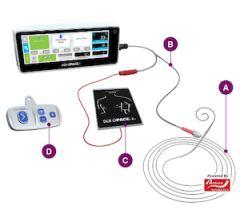
January 6, 2016 — Corindus Vascular Robotics Inc. announced the launch of a CorPath robotic-assisted coronary intervention program at Massachusetts General Hospital (MGH) and the installation of its first CorPath System. Involvement in the robotic-assisted coronary intervention program will allow physicians at MGH to perform percutaneous coronary interventions (PCI) using the CorPath System while protected from radiation exposure in the system's radiation-shielded control cockpit.
The CorPath System is the first and only U.S. Food and Drug Administration (FDA)-cleared medical device to bring robotic-assisted precision to PCI procedures while protecting medical professionals from radiation exposure occurring in hospital catheterization laboratories. The CorPath robotic-assisted coronary intervention program at MGH brings the safety and benefits of the CorPath System to cath lab patients and workers today, as well as creating opportunities for furthering the technology in the future.
"Emerging technologies should contribute to the well-being of patients and physicians," said Doug Drachman, M.D., director of MGH’s Cardiovascular Fellowship Program. "Robotic assistance provides enhanced visualization and potentially increased accuracy. Coupled with radiation reduction for clinicians, these advances may not only improve care, but also the long-term health of patient and provider."
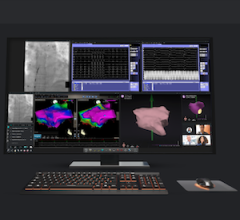
Today, interventional procedures performed in hospital cath labs are a leading source of radiation exposure for medical personnel, which has been linked to the development of cataracts, cancer, and brain and thyroid diseases. The CorPath System allows interventional cardiologists to perform procedures in a protected cockpit just a few feet away from the patient bedside. Seated in the radiation-protected cockpit, the physician uses intuitive digital controls to robotically advance guidewires, angioplasty balloons and stents through coronary arteries.
For more information: www.corindus.com

 August 28, 2026