January 8, 2019 — A Mayo Clinic study finds that applying artificial intelligence (AI) to a widely available, inexpensive electrocardiogram (EKG) results in a simple, affordable early indicator of asymptomatic left ventricular dysfunction, a precursor to heart failure. The research team found that the AI/EKG test accuracy compares favorably with other common screening tests, such as mammography for breast cancer. The findings were published in Nature Medicine.1
Asymptomatic left ventricular dysfunction is characterized by the presence of a weak heart pump with a risk of overt heart failure. It affects 7 million Americans, and is associated with reduced quality of life and longevity. But asymptomatic left ventricular dysfunction is treatable when identified.
However, there is no inexpensive, noninvasive, painless screening tool for asymptomatic left ventricular dysfunction available for diagnostic use. The Mayo study reports that the best existing screening test for asymptomatic left ventricular dysfunction is to measure natriuretic peptide levels (BNP). Results of BNP have been disappointing, however, and the test requires blood draws. Left ventricular dysfunction typically is diagnosed with expensive and less accessible imaging tests, such as echocardiograms, or computed tomography (CT) or magnetic resonance imaging (MRI) scans.
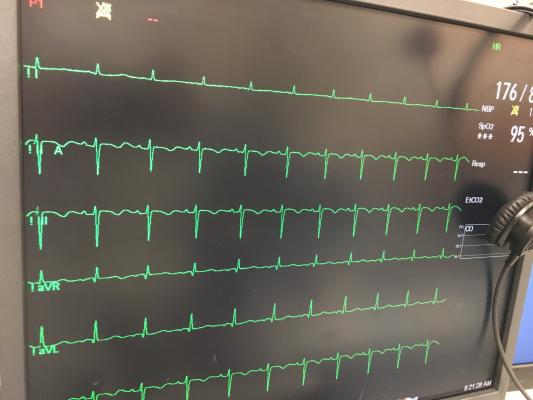
“Congestive heart failure afflicts more than 5 million people and consumes more than $30 billion in health care expenditures in the U.S. alone,” said Paul Friedman, M.D., senior author and chair of the Midwest Department of Cardiovascular Medicine at Mayo Clinic. "The ability to acquire an ubiquitous, easily accessible, inexpensive recording in 10 seconds – the EKG – and to digitally process it with AI to extract new information about previously hidden heart disease holds great promise for saving lives and improving health," he said.
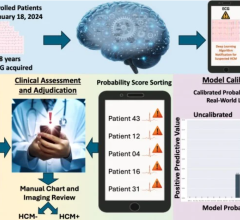
In their study, Mayo Clinic researchers hypothesized that asymptomatic left ventricular dysfunction could be reliably detected in the EKG by a properly trained neural network. Using Mayo Clinic stored digital data, 625,326 paired EKG and transthoracic echocardiograms were screened to identify the population to be studied for analysis. To test their hypothesis, researchers created, trained, validated and then tested a neural network.
The study concluded that AI applied to a standard EKG reliably detects asymptomatic left ventricular dysfunction. The accuracy of the AI/EKG test compares favorably with other common screening tests, such as prostate-specific antigen for prostate cancer, mammography for breast cancer and cervical cytology for cervical cancer.
In addition, in patients without ventricular dysfunction, those with a positive AI screen were at four times the risk of developing future ventricular dysfunction, compared with those with a negative screen. “In other words, the test not only identified asymptomatic disease, but also predicted risk of future disease, presumably by identifying very early, subtle EKG changes that occur before heart muscle weakness,” noted Friedman.
For more information: www.nature.com/nm
Reference
1. Attia Z.I., Kapa S., Lopez-Jimenez F., et al. Screening for cardiac contractile dysfunction using an artificial intelligence–enabled electrocardiogram. Nature Medicine, Jan. 7, 2019. https://doi.org/10.1038/s41591-018-0240-2

 September 09, 2026