Oct. 10, 2025 — Berlin Heals Holding AG, a clinical-stage medical device company focused on revolutionizing the care of heart failure with a first of its kind durable treatment, announced it has completed enrollment in the First-In-Human (FIH) CMIC-III study to evaluate the safety of a new less invasive approach to implanting the Cardiac Microcurrent (CMIC) device. Topline data are expected in 2026 and will be submitted for presentation at a major Cardiology Congress.
Berlin Heals is on track to expand this new Less Invasive approach to a wider population of patients and build on the body of evidence already seen in the first-generation surgical approach. As part of the FDA Breakthrough and TAP programs, we intend to pursue a pivotal FDA IDE trial that will lead to regulatory and reimbursement approvals for market launch.
"Completing enrollment in under 6 months since implanting our first patient marks a pivotal moment for the company and reflects the degree of unmet need we are hearing from people living with Heart Failure," said Berlin Heals Holding Chief Executive Officer John Brumfield. "We are very grateful to the patients, their families and the trial investigators for their enthusiasm and look forward to sharing topline results from the Phase I study next year."
"Based on results from the CMIC-I FIH and CMIC-II Randomized Controlled Trial (RCT), Microcurrent therapy showed great promise to positively transform the treatment for Heart Failure," said Stefan Anker, M.D., Professor of Medicine at Charite, Berlin and Senior Author of the CMIC-II Manuscript. "If similar results can be shown in a less invasive implant approach, many more patients could benefit from this new therapy."
CMIC Therapy
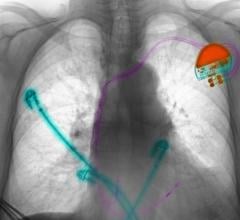
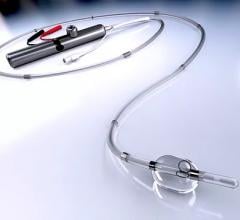
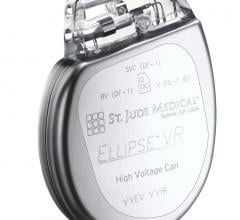
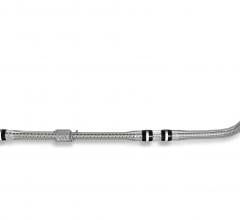
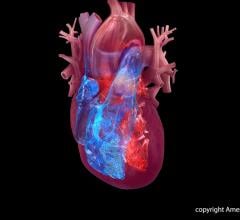
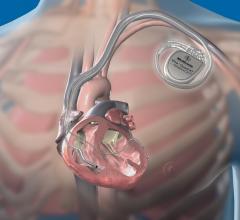
Cardiac Microcurrent (CMIC) Therapy is delivered via a fully implantable medical device that consists of two electrodes connected to an implantable generator that provides constant direct microcurrent across the diseased heart. This constant DC current reduces inflammation and reverse remodels the heart that has been shown in previous studies to improve cardiac function and reduce symptoms. The first generation required a minimally invasive surgical procedure where a cardiothoracic surgeon placed an electrode on the outside of the heart. The new Less Invasive approach can be implanted in a cardiac catheterization lab through a conscious sedation out-patient procedure by a Cardiologist.
For more information, please visit www.berlinheals.com.
 February 24, 2023