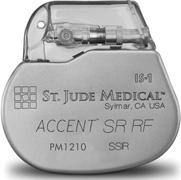
November 16, 2010 – Study results show that pacemaker patients without history of atrial tachycardia (AT) or atrial fibrillation (AF) who have device-detected arrhythmias are more likely to have a stroke than patients who don’t have device-detected arrhythmias. The ASSERT Trial, sponsored by St. Jude, found that those patients are approximately 2.5 times more likely to have a stroke.
“These results are significant because they demonstrate that even brief, asymptomatic AF episodes can cause a stroke, and that the proportion of strokes that are associated with atrial arrhythmias is much higher than previously thought,” said Jeff S. Healey, M.D., principal investigator for the arrhythmias program at the Population Health Research Institute. “This trial shows that by using the information already available in implantable pacemakers and defibrillators, physicians can identify patients at risk for stroke earlier than would otherwise be the case, even before they experience arrhythmia symptoms.”
ASSERT studied 2,580 pacemaker patients older than 65 with hypertension and no history of AF. The trial was designed to determine whether the detection of arrhythmias using pacemaker-based diagnostics predicts an increased risk of stroke. Atrial fibrillation had previously been linked to an increased risk of stroke, but it was not clear that brief, often asymptomatic AF episodes are associated with an increased risk for stroke as well.
Several technologies notify physicians and patients whenever a patient experiences significant atrial arrhythmias.
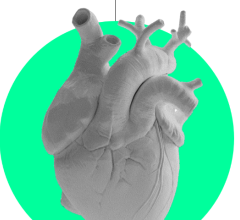
Atrial fibrillation is a chaotic, uncontrolled heart rhythm. It occurs when the upper chambers of the heart (atria) contract rapidly and irregularly – from 350 to 600 times per minute compared to a normal heart rhythm of 60 to 100 times per minute. AF is known to be a common risk factor for, and cause of, stroke. Because the atria contract so rapidly and irregularly during AF, the heart cannot beat effectively and blood is not pumped completely out of the atria. Blood that pools in the atria may clot and, if the clot moves to an artery in the brain, stroke may occur. Studies show that AF increases the risk of stroke five-fold. The risk for stroke related to AF increases with age.
For more information: www.sjm.com

 September 02, 2026