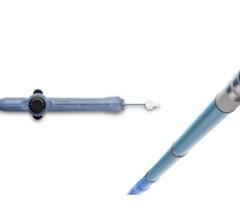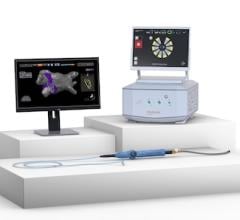
August 22, 2016 — The Mount Sinai Hospital is the first site in the New York metropolitan area to pioneer a new approach for the treatment of cardiac arrhythmias using the EpiAccess system. Developed by medical device company EpiEP Inc., the EpiAccess system is a specialized instrument that facilitates an epicardial approach for non-surgical procedures on the surface of the heart.
“We are pleased to be among the first facilities in the nation to offer the EpiAccess system,” said Vivek Reddy, M.D., director of cardiac arrhythmia services at The Mount Sinai Hospital and the Mount Sinai Health System. “By providing routine and safe access to the pericardial space, the device offers a new approach to treat arrhythmias from the outside of the heart, enabling enhanced safety in advanced procedures and opening a new frontier for treating our patients.”
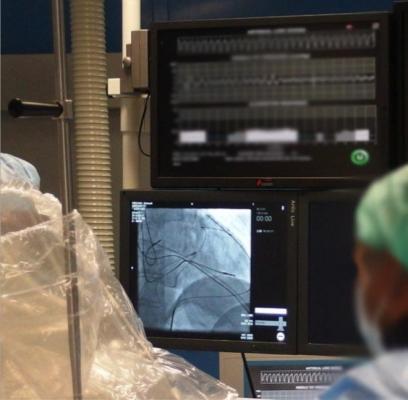
Non-surgical epicardial access has traditionally been limited by the two-dimensional image of a needle guided by intermittent fluoroscopy, which makes it difficult to know the precise location of the needle tip when accessing this small space surrounding the heart. The EpiAccess needle’s fiber-optic tip provides real-time pressure frequency data and immediate confirmation to alert physicians about needle tip location during the procedure. It was designed to reduce the risk of complications such as pericardial effusions, procedure time and exposure to radiation used during these types of procedures.
These first procedures with the EpiAccess system were performed by Srinivas Dukkipati, M.D., co-director of cardiac arrhythmia services at The Mount Sinai Hospital.
Reddy serves as an uncompensated consultant for EpiEp. He also owns equity in EpiEp (a privately traded company) in the form of stock options.
For more information: www.epiep.com
 September 08, 2026