April 22, 2015 — A study published in JACC: Cardiovascular Interventions showed that in-hospital and 30-day stroke or death rates were equally low with either a distal filter embolic protection device (F-EPD) or a proximal EPD (P-EPD) to protect patients from blood clots during carotid artery stenting. A small sample size for one device, however, raises questions on the study’s ability to detect potentially meaningful differences in outcomes.
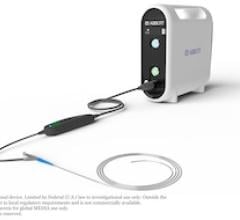
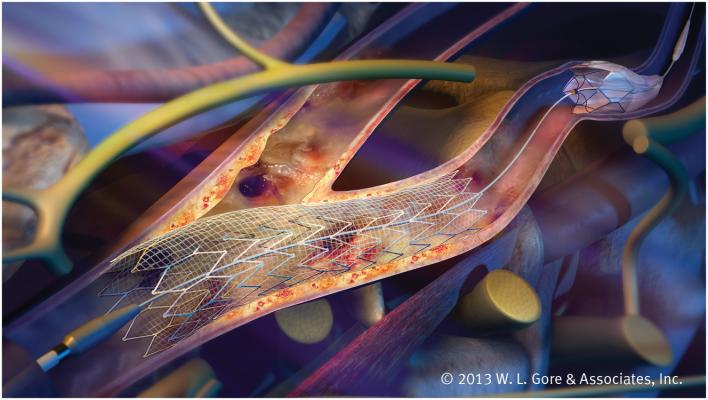
The Centers for Medicare and Medicaid Services (CMS) mandates that cardiologists use one of these two devices in order to be reimbursed for carotid artery stenting. The F-EPD uses small baskets to catch any debris produced during angioplasty and stent placement, while the P-EPD uses balloons to arrest or reverse flow to the internal carotid artery. Although some argue that latter method is superior because the carotid artery is protected throughout the entire procedure, it is less popular among cardiovascular professionals.
Using data from the American College of Cardiology’s CARE Registry, researchers assessed records from 10,246 patients who had elective carotid stent procedures with embolic protection between January 2009 and March 2013. Of these procedures, practitioners used P-EPD in almost 6 percent of cases. These patients had higher rates of symptomatic lesions at the time of the procedure; higher rates of fast, irregular heartbeats; and a history of prior neurological events.
The results showed little difference in either in-hospital stroke or death between the two groups — 1.6 percent for the P-EPD group compared to 2 percent for the F-EPD group. For the 76.5 percent of patients for whom 30-day follow-up data were available, 2.7 percent of the P-EPD group experienced stroke or death while 4 percent of the F-EPD group had these adverse outcomes. Furthermore, no differences in outcomes were found between symptomatic and asymptomatic patients treated with either device.
Due to the modest number of P-EPD devices used, the study may not have been large enough to detect potentially meaningful differences in outcomes between the two devices.
"According to our calculations, a randomized trial of more than 6,000 patients would be needed to determine a statistically significant difference between P-EPD and F-EPD for 30-day adverse outcomes,” said Jay Giri, M.D., MPH, the study’s lead author and an assistant professor of clinical medicine at the Hospital of the University of Pennsylvania. “There are no known plans to organize such an effort, so it is likely that the current data will remain the best available evidence for the foreseeable future.”
For more information: www.acc.org

 September 02, 2026