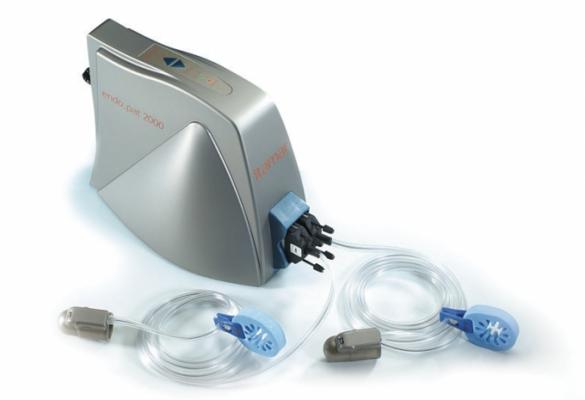
EndoPAT diagnostic device
July 24, 2014 — Data from a recent study indicate that the results of an U.S. Food and Drug Administration (FDA)-approved test for endothelial (arterial) function significantly correlated with near-future cardiovascular events, including revascularization, chest pain, heart attack, heart failure, stroke and even death in high-risk patients, of which the majority have had stents implanted. Early diagnosis of near-future cardiovascular events is critical for the physicians who manage these high-risk patients. The diagnostic device, the EndoPAT, is manufactured by Itamar Medical.
A total of 528 high-risk patients with stable chest pain and abnormal electrocardiogram (ECG) that have been referred to angiography were followed up for almost three years, on average. Those whose EndoPAT Test revealed endothelial (arterial) dysfunction experienced up to four times more cardiovascular events compared to those with normal endothelial function. Of the 528 patients enrolled in the study, 65 percent (344) had stents implanted; in these patients, the test revealed that nearly one-third (32 percent) were still at high risk for a major cardiovascular event. Real-time information on endothelial (arterial) function is important for the approximately 2.5 million people who undergo stenting procedures in the United States each year. Identifying high-risk patients as early as possible allows for immediate lifestyle changes and, potentially, a more vigilant patient management approach that may include modifying the medication regime and adding specific supplements.
“This study builds on the extensive data collected in previous studies and demonstrates the importance of the assessment of endothelial health for the prediction of cardiac events in patients after revascularization procedures,” said Amir Lerman, M.D., professor of medicine, Mayo Clinic, and a member of Itamar Medical's scientific advisory board. “The results of this study underscore the need for and importance of integrating these tests into clinical practice, and the attention the medical community should give to endothelial function as a major indication of cardiovascular disease.”
The EndoPAT Test, an innovative, non-invasive FDA-cleared medical device for measuring endothelial (arterial) function, has been validated to be an independent predictor for major cardiovascular events in high-risk patients or patients with heart disease that undergo standard medical treatment, including stenting.
“This research is an important step toward personalized diagnostics for patients with heart disease or related symptoms who are concerned about their residual risk after medical therapy or interventional procedures like stenting,” said Gilad Glick, CEO, Itamar Medical. “This study confirms that stenting should be followed by vigilant patient management to improve outcomes and reduce readmissions. Large groups of patients with stents are still at high-risk for a cardiovascular event in the near future. This study shows that the EndoPAT Test provides valuable clinical information and reaffirms its role in helping to offset future cardiovascular events.”
The endothelium is the thin layer of cells that line the blood vessels. When these cells do not function properly, known as endothelial dysfunction, the arteries begin to lose their ability to supply more blood to the heart muscle when needed. Insufficient blood supply to the heart muscle can cause chest pain and other symptoms, such as shortness of breath, and can eventually lead to a heart attack if not properly managed.
The two-center prospective study in Japan was performed by an independent research team and independent academic institutes and was not funded by any commercial entity.
The study was published in the December issue of the Journal of the American Heart Association.
For more information: www.prevent-heartattack.com
 September 02, 2026