November 10, 2015 – TherOx Inc. announced it has received U.S. Food and Drug Administration (FDA) Investigational Device Exemption (IDE) approval for a confirmatory safety study of a second-generation supersaturated oxygen (SSO2) therapy system. The system helps reduce infarct size after an acute myocardial infarction (AMI). This 100-patient study is being conducted to support a pre-market approval submission to the FDA.
Simon Dixon, MBChB, chair of cardiovascular medicine at Beaumont Hospital Royal Oak and an investigator for this study, noted, “In multiple peer-reviewed studies, we have found the infarct size reduction achieved by SSO2 therapy was clinically significant compared to PCI [percutaneous coronary intervention]. I am excited about the potential that SSO2 therapy shows in improving outcomes for patients experiencing large anterior infarcts and treated within six hours of onset.”
SSO2 therapy is intended to provide interventional cardiologists with the first treatment option beyond PCI to salvage heart muscle in heart attack patients. According to the American Heart Association, every year nearly 1 million people in the United States have heart attacks. Although PCI is the standard of care in treating AMI, for many patients it doesn’t do enough to reduce infarct size and achieve maximum clinical benefit.
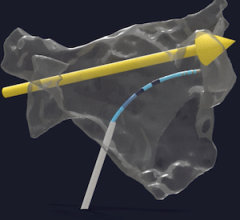
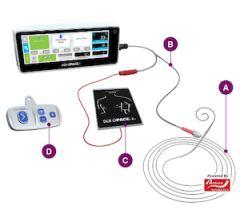
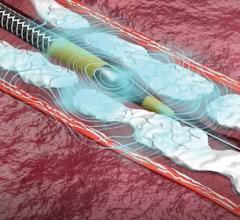
SSO2 therapy, adjunctive to PCI, is a solution of highly oxygenated saline mixed with the patient’s blood delivered through a catheter to the targeted ischemic area of the heart. SSO2 therapy is intended to salvage the jeopardized myocardium and thus reduce infarct size.
The first generation system to deliver SSO2 therapy received the CE Mark and was successful in meeting the safety and effectiveness endpoints in the AMIHOT II trial. Statistical results from the AMIHOT II trial of SSO2 therapy, together with PCI and stenting, demonstrated a relative reduction of 26 percent in infarct size compared to PCI and stenting alone.
For more information: www.therox.com
 August 28, 2026