March 19, 2026 — Endovascular Engineering, Inc. has announced that two abstracts related to the ENGULF study and the Hēlo Platform have been accepted as late-breaking podium presentations at the Society of Interventional Radiology (SIR) Annual Scientific Meeting and the Society for Cardiovascular Angiography & Interventions (SCAI) Scientific Sessions, both taking place in April.
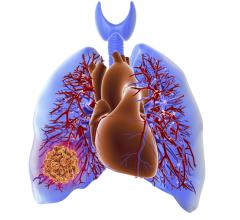
The Hēlo Platform is intended to treat pulmonary embolism and remove clots from peripheral veins.
These presentations build upon momentum from E2's late-breaking presentation at VIVA 2025 in Las Vegas, which introduced initial ENGULF pivotal cohort outcomes. Each presentation showcases distinct, complementary datasets from the ENGULF IDE study. This represents one of the most comprehensive evidence packages presented for a mechanical thrombectomy system IDE study to date.
The SIR presentation by Dr. Julie C. Bulman, ENGULF National Co-Principal Investigator at Beth Israel Deaconess Medical Center, will deliver a comprehensive validation of returned blood quality during mechanical thrombectomy for pulmonary embolism. Previous discussions of blood return safety have relied on extrapolation from trauma studies and animal data (1,2), neither of which reflect the controlled conditions and patient populations of modern thrombectomy procedures. The SIR findings will present laboratory testing alongside prospective clinical data, establishing a scientific foundation for blood return that has been notably absent from the field.
"Rigorous evaluation of blood quality is essential to understanding how blood return can be thoughtfully integrated into PE intervention," said Dr. Julie Bulman. "These results establish a comprehensive scientific foundation needed to balance effective clot removal with responsible blood management."
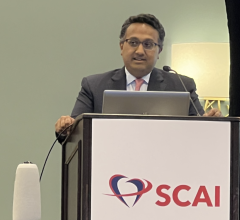
At SCAI, Dr. Andrew J. Klein, ENGULF National Co-Principal Investigator at Piedmont Hospital in Atlanta, will present the full ENGULF dataset, including a detailed analysis comparing cohorts treated with and without blood return. The presentation will highlight differences in procedural characteristics and clinical outcomes, offering physicians a comprehensive view of how integrated blood return may influence real-world thrombectomy practice.
"The complete ENGULF dataset provides physicians with insight into how procedural strategy impacts outcomes in patients with pulmonary embolism," said Dr. Andrew Klein. "By directly comparing blood return and non–blood return approaches within a single prospective trial, we can identify meaningful differences in safety, efficiency, and clinical effectiveness that inform real-world practice decisions."
ENGULF is a prospective IDE study evaluating the safety and performance of the Hēlo Thrombectomy System for the treatment of pulmonary embolism. Previous analyses demonstrated low adverse event rates and significant reductions in RV/LV ratio, supporting the system's single pass treatment strategy. The upcoming SIR and SCAI presentations expand upon these findings and further characterize the platform's integrated design.
"Both late-breaking presentations at SIR and SCAI demonstrate the depth and rigor of the clinical evidence supporting the Hēlo Platform. These underscore the momentum behind the Hēlo Platform and the clinical community's interest in advancing PE care," said Dan Rose, CEO of E2. "We are proud to see this body of work recognized at two leading scientific meetings and believe it reflects the importance of continued innovation that's backed by clinical science in thrombectomy."
E2 extends its deepest appreciation to the patients who participated in the ENGULF study, the physicians and hospital partners who advanced the clinical evidence, and the employees whose commitment to innovation made this milestone possible. The company looks forward to the next phase of growth as it advances its mission to redefine intervention for venous thromboembolism (VTE).
For more information, please visit www.e2helo.com
- Salhanick M, Corneille M, Higgins R, et al. Autotransfusion of hemothorax blood in trauma patients: is it the same as fresh whole blood? Am J Surg. Dec 2011;202(6):817-21; discussion 821-2. doi:10.1016/j.amjsurg.2011.06.043
- Dohad S, Hoque MM, Waters JH, Salhanick M. Hemolysis Detected Following the Preparation and Collection of Blood in a Porcine Model Using a Syringe-Based Aspiration Thrombectomy System for Autotransfusion. Catheter Cardiovasc Interv. Feb 2026;107(3):729-735. doi:10.1002/ccd.70402
 April 24, 2026